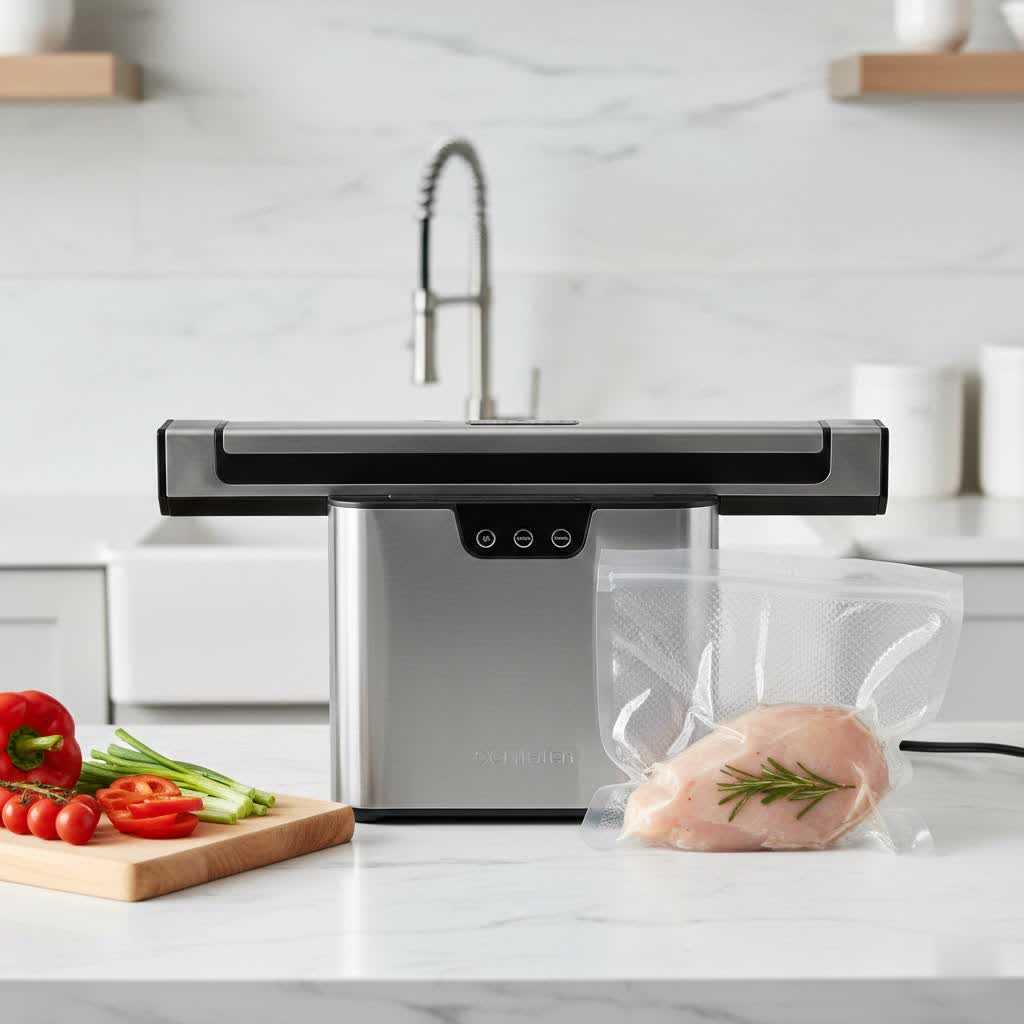
In a world increasingly conscious of waste and budget, getting more life out of everyday items just makes sense. If you own a vacuum sealer, you’ve likely wondered, “Can I really reuse these bags?” The answer is a resounding yes – with crucial safety guidelines. Reusing vacuum sealer bags can significantly reduce household waste and save you money, but it requires a careful approach to cleaning, inspection, and understanding what foods were previously stored. This comprehensive guide will walk you through the essential do’s and don’ts, ensuring your food stays fresh and your kitchen practices remain safe.
Understanding Vacuum Sealer Bags
Vacuum sealer bags are specially designed multi-layer plastic pouches that, when used with a vacuum sealer, remove air to create an airtight environment around food. This process drastically slows down spoilage by inhibiting the growth of mold, yeast, and bacteria, and preventing freezer burn. The robust construction of these bags, often featuring textured channels for efficient air removal and strong heat seals, makes many of them suitable for more than just a single use. However, their reusability hinges entirely on what they contained and how meticulously they are cleaned and inspected.
The Compelling Benefits of Reusing Vacuum Sealer Bags
Embracing the practice of reusing vacuum sealer bags offers a dual advantage, impacting both your wallet and the planet. It’s a smart strategy for any household committed to sustainable living and practical economy.
Economic Savings and Environmental Impact Reduction
|
Our Picks for the Best Vacuum sealer in 2026
As an Amazon Associate I earn from qualifying purchases.
|
||
| Num | Product | Action |
|---|---|---|
| 1 | Vacuum Sealer for Food, 95kPa Food Saver Vacuum Sealer Machine, 135W Fast-Sealing with Easy Tear Cutter, Built-in Bag Storage, 9-in-1 Compact Food Vacuum Sealer Machine with 10 ft Bag Roll |

|
| 2 | Vacuum Sealer Machine 75KPa Food with 6-in-1 Dry/Moist Modes & Digital Timer, Compact Lightweight Design, Built-in Cutter + 10 Bags (Black Silver) |
|
| 3 | Potane Precision Vacuum Machine,Pro Food Sealer with Built-in Cutter and Bag Storage(Up to 20 Feet Length), Both Auto&Manual Options,2 Modes,Includes 2 Bag Rolls 11”x16’ and 8”x16’,Compact Design |
|
| 4 | Gasbye 95kPa Precision Vacuum Sealer Machine, Double Heat Seal for Dry/Moist Food, Easy-Lock Handle, Built-in Bag Storage & Cutter, Progress Display, Pulse Mode, Removable Drip Tray, Silver |
|
| 5 | Bonsenkitchen Vacuum Sealer Machine, Globefish Technology for Perfect Vacuum Sealing, Powerful Low-Noise Food Vacuum Sealer with Easy Handle Design, Built-in Cutter & Bag Storage, 1 Bag Roll & 10 Bags |
|
| 6 | 95Kpa Precision Pro Vacuum Sealer, with Double Heat Seal & Dual-Pump for Dry/Moist Food, 2X Strength, Food Vacuum Sealer Machine with Easy-Lock Handle, Built-in Cutter & Bag Storage, Stainless Steel |
|
| 7 | MegaWise Vacuum Sealer Machine | 80kPa Suction Power| Bags and Cutter Included | Compact One-Touch Automatic Food Sealer with External Vacuum System | Dry Moist Fresh Modes for All Saving needs |
|
| 8 | Bonsenkitchen Vacuum Sealer Machine | Compact Food Sealer for Kitchen Storage & Meal Prep | Multiple Modes | External Vacuum System | 5 Bags, Silver |
|
| 9 | Food Vacuum Sealer Machine, 95KPa Powerful Food Saver with Dry/Moist/External Vacuum Modes, Built-in Cutter & Bag Storage, Single/Double Sealing, 1 Bag & 15 Pre-cut Bags |
|
| 10 | Vacuum Sealer Machine 95KPA Powerful Suction, 10s Fast Seal, Dry & Moist Modes, Compact Food Vacuum Sealer with 30 Bags Included, Automatic Food Saver for Meal Prep, Sous Vide & Kitchen Storage |
|
The cost of vacuum sealer bags can add up over time. By extending the life of each bag, you significantly reduce your ongoing expenses for food preservation supplies. Beyond the financial incentive, reusing bags contributes directly to lowering your household’s plastic waste. Fewer bags purchased means less plastic manufactured and ultimately, less plastic ending up in landfills, making it an environmentally friendly choice.
Efficient Food Management and Reduced Waste
Reusing bags encourages a more mindful approach to food storage. It prompts you to assess the condition of your bags and the types of food you’re preserving, fostering habits that minimize overall food waste. When you can reseal and reuse a bag, it simplifies the process of portioning out bulk items or storing leftovers, ensuring that food remains fresh for longer and doesn’t go to waste.
When NOT to Reuse Vacuum Sealer Bags (Critical Don’ts for Food Safety)
While the benefits of reusing bags are clear, food safety must always be the top priority. There are specific instances where reusing a vacuum sealer bag poses significant health risks and should be avoided entirely.
Raw Meats, Fish, Poultry, Eggs, and Unpasteurized Dairy
This is the most critical rule: Never reuse bags that have stored raw meats, poultry, fish, eggs, or unpasteurized cheeses. These foods can harbor harmful bacteria such as Salmonella, E. coli, and Listeria, which are microscopic and can linger on the bag’s surface even after thorough washing. The risk of cross-contamination to new food items, especially ready-to-eat foods, is too high to justify reuse. For your family’s health and safety, these bags should be discarded immediately after a single use.
Oily, Greasy, or Heavily Soiled Bags
Bags that have contained oily, greasy, or heavily sauced foods should also be avoided for reuse. Fat and oil residues are notoriously difficult to clean completely from plastic, and any lingering traces can affect the quality and flavor of new food. More importantly, grease residue can compromise the integrity of the vacuum seal, leading to an incomplete seal and exposing food to air, thus defeating the purpose of vacuum sealing. If a bag feels slimy or looks stained after washing, it’s best to discard it.
Damaged or Compromised Bags (Holes, Tears, Weak Seals, Persistent Odors)
Always inspect your bags carefully before considering reuse. Any sign of physical damage, such as holes, tears, punctures, or even small creases near the sealing area, means the bag should be discarded. A compromised bag cannot maintain an airtight seal, making it ineffective for food preservation and potentially exposing food to contaminants. Similarly, if a bag retains strong odors after cleaning, it indicates that residues might still be present, and it’s safer to dispose of it. A weak or peeling seal from a previous use is also a red flag, as it suggests the bag’s sealing capability is diminished.
Types of Vacuum Sealer Bags: Which Ones are Best for Reuse?
Not all vacuum sealer bags are created equal when it comes to durability and reusability. Understanding the differences can help you make a more informed choice at purchase and maximize the lifespan of your bags.
Durable Options: Textured, Thick Mil, and Silicone Bags
For optimal reuse, look for bags made from robust materials. Textured bags, often recognizable by their ridged design, are generally more durable and easier to clean due to their structured surface. Thick mil bags (typically 8 mil or thicker) offer superior puncture resistance, making them less prone to damage during handling and washing. These thicker bags maintain their integrity better through multiple cycles of sealing, storing, and cleaning.
An increasingly popular and highly reusable option is silicone vacuum bags. These are significantly more durable, can withstand higher temperatures, and are often dishwasher-safe, offering an eco-friendlier alternative despite a higher upfront cost. Silicone bags are resistant to odors and staining, making them an excellent choice for frequent reuse.
Less Suitable Options: Thin, Pre-Cut Smooth Bags
Conversely, thinner, pre-cut smooth bags are generally less ideal for multiple uses. Their thinner plastic is more susceptible to tearing and punctures, especially during cleaning or if sharp-edged foods are stored. While they can still be reused for certain dry goods under careful conditions, their lifespan will likely be shorter compared to their more robust counterparts. Opting for rolls rather than pre-cut bags can offer more flexibility, allowing you to cut off just the amount needed and trim damaged ends for subsequent seals, thereby extending their utility.
Step-by-Step Guide to Safely Cleaning Your Vacuum Sealer Bags (Do’s)
Proper cleaning is paramount to safe reuse. Follow these steps to prepare your bags for their next purpose, ensuring hygiene and maintaining their effectiveness.
Initial Rinse and Preparation
As soon as you open a vacuum-sealed bag, empty its contents and rinse the interior thoroughly with warm water. This immediate action helps prevent food residues from drying and sticking to the plastic, making subsequent cleaning much easier. Cutting the sealed end as close to the previous seal as possible will maximize the usable length of the bag for future resealing.
Hand Washing with Mild Detergent
For most vacuum sealer bags, hand washing is the safest and most recommended cleaning method. Use warm, soapy water and a mild dish detergent. Turn the bag inside out if possible to ensure all surfaces are accessible. A soft brush, sponge, or cloth can be used to gently scrub the interior and corners, where food particles often accumulate. Avoid abrasive scrubbers that could scratch or damage the plastic. For stubborn stains or odors, some experts suggest a soak in a diluted vinegar solution (e.g., 1/4 cup vinegar to 10 cups water) for a few minutes to help deodorize and clean.
Thorough Rinsing and Air Drying
After washing, rinse the bag meticulously under running warm water until all soap residue is completely removed. Soap traces can impact the flavor of new food or compromise the seal. The most crucial step is ensuring the bag is completely dry before storage or reuse. Hang the bags upside down to air dry, allowing any remaining water droplets to drain and evaporate. Using plastic clothespins can help keep the bags open for better airflow. Avoid using paper towels, as they can leave lint inside the bag. Any moisture left in the bag can lead to mold or mildew growth, negating the benefits of vacuum sealing.
Post-Cleaning Inspection
Once the bag is clean and thoroughly dry, perform a final inspection. Hold it up to a light to check for any hidden tears, holes, discoloration, or remaining residue. Flex the plastic gently to ensure there are no weak spots or excessive creasing that could indicate a loss of integrity. If you detect any lingering odors or notice any damage, it is safest to discard the bag. This rigorous inspection helps prevent future sealing failures and potential food contamination.
Maximizing Reusability: Best Practices and Smart Tips
To truly get the most out of your vacuum sealer bags, integrate these savvy practices into your routine. These tips extend bag life and ensure optimal food preservation outcomes.
Leaving Ample Space for Resealing
When initially sealing food, aim to leave at least 1.5 to 2 inches of empty bag space between the food and the seal. This foresight provides sufficient material to cut off the old seal and create a new one multiple times. Bags cut too short after their first use may not leave enough room for subsequent successful reseals, limiting their reusability.
Labeling for Organization and Safety
Develop a system for labeling your bags. Use a permanent marker to note the contents and the date sealed. For bags you intend to reuse, consider adding a small mark to indicate they’ve held low-risk foods (like “Veggies Only” or “Bread”). This simple practice helps prevent accidental cross-contamination and ensures you only reuse bags safely.
Protecting Bags from Sharp Contents
Sharp bones or rigid food items can easily puncture a vacuum sealer bag, rendering it unusable. To protect your bags, wrap such items with a small piece of parchment paper, a paper towel, or even a piece of excess bag material before placing them inside. This adds a protective layer, preventing tears and extending the bag’s life.
Proper Storage of Cleaned Bags
Once your bags are meticulously cleaned and thoroughly dry, store them properly to maintain their integrity. Keep them in a cool, dry place away from direct sunlight or extreme temperatures, which can degrade the plastic over time. Storing them flat and unfolded can prevent creases and wrinkles that might affect future seals.
Comparison Table: Reusability Factors of Common Bag Types
Here’s a quick overview of how different types of vacuum sealer bags fare in terms of reusability:
| Bag Type | Material Characteristics | Typical Reuses | Pros for Reuse | Cons for Reuse |
|---|---|---|---|---|
| Standard Embossed | Multi-layer, textured surface, typically 3-11 mil | 3-5 times | Durable, good seal, relatively easy to clean | Can get shorter with each reseal |
| Smooth (Chamber) | Thicker, smooth plastic (for chamber sealers) | 5+ times | Very durable, excellent seals | Requires a chamber sealer, can be more expensive |
| Thin/Pre-Cut Smooth | Thinner plastic, no texture (budget-friendly) | 1-2 times | Cost-effective for single use | Prone to punctures, less durable, harder to clean |
| Reusable Silicone | High-grade silicone, often zippered | 10+ times | Highly durable, eco-friendly, often dishwasher-safe | Higher initial cost, bulkier, not compatible with all sealers |
Conclusion
Reusing vacuum sealer bags is a practical, eco-conscious habit that can significantly extend the value of your food preservation system. By diligently following critical safety precautions—especially the absolute rule of never reusing bags that have contained raw meats, fish, eggs, or unpasteurized dairy—you can confidently reduce waste and save money. Prioritize thorough cleaning with mild detergent and complete air drying, always inspecting bags for any damage before reuse. With mindful selection, proper care, and adherence to these do’s and don’ts, your vacuum sealer bags can continue to serve your kitchen needs safely and efficiently for many uses to come.
What innovative ways have you found to reduce waste in your kitchen while maintaining food safety?
Frequently Asked Questions
Can I put my vacuum sealer bags in the dishwasher?
Generally, hand washing with warm, soapy water is recommended for most vacuum sealer bags. While some bags (especially certain reusable silicone types or bags for dry goods) may be labeled dishwasher safe, the high heat from dishwashers can sometimes warp plastic and weaken the integrity of the bag’s seal over time, compromising its effectiveness for future vacuum sealing. Always check the manufacturer’s specific instructions for your bags.
How many times can a vacuum sealer bag typically be reused?
The number of times a vacuum sealer bag can be reused varies based on its quality, thickness, and how well it’s maintained. Durable, thicker bags (8+ mil) or textured bags might be reused 3-5 times, while thinner, pre-cut bags might only be suitable for 1-2 additional uses. Silicone reusable bags, designed for longevity, can often be reused 10 or more times with proper care.
How do I know when a vacuum sealer bag is no longer safe to reuse?
Discard a vacuum sealer bag if it shows any signs of damage like holes, tears, or significant creases. Also, dispose of bags if they have weak or compromised seals, or if they retain strong odors after thorough cleaning. Most importantly, never reuse bags that have previously stored raw meat, poultry, fish, eggs, or unpasteurized dairy, regardless of how clean they appear.
Can vacuum sealer bags that held liquids be reused?
Bags that held liquids should generally be treated with caution. If the liquid was non-hazardous (like water or broth from cooked vegetables) and the bag can be thoroughly cleaned and dried without any residue, it might be reusable for similar low-risk items. However, if the liquid was oily, greasy, or from raw animal products, discard the bag to avoid health risks and sealing issues.
Are there any specific bags designed for multiple uses?
Yes, some brands offer vacuum sealer bags specifically designed for extended reuse, often featuring thicker materials, reinforced seams, or being made from high-grade silicone. These products are built to withstand repeated cleaning and sealing cycles. When shopping, look for terms like “reusable vacuum bags” or check the product descriptions for durability and washing instructions.