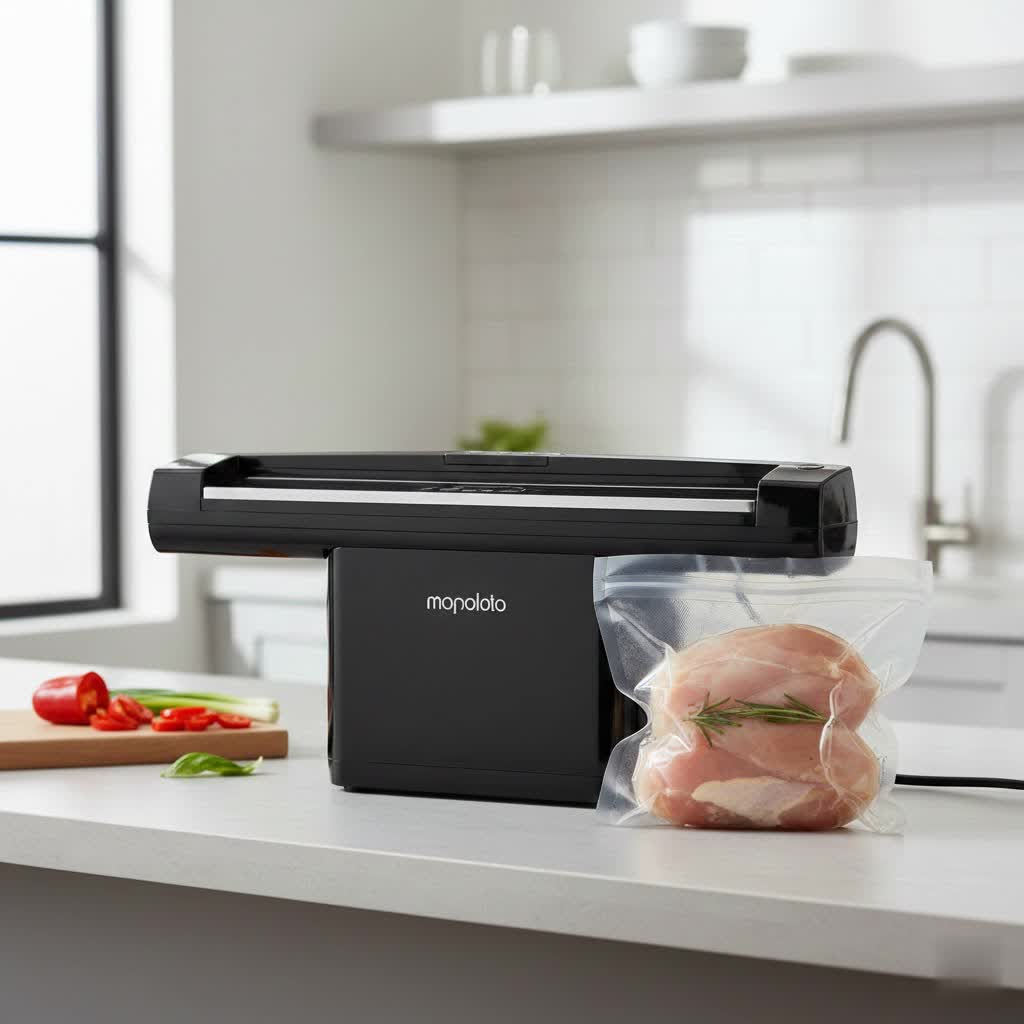
Guacamole is a culinary delight, a creamy, zesty dip that elevates any meal or gathering. Yet, its vibrant green hue, a hallmark of freshness, is notoriously fleeting. The joy of a perfectly made batch often gives way to the disappointment of unsightly brown discoloration within hours. This battle against browning has long been a challenge for home cooks and chefs alike, leading many to search for the ultimate preservation method.
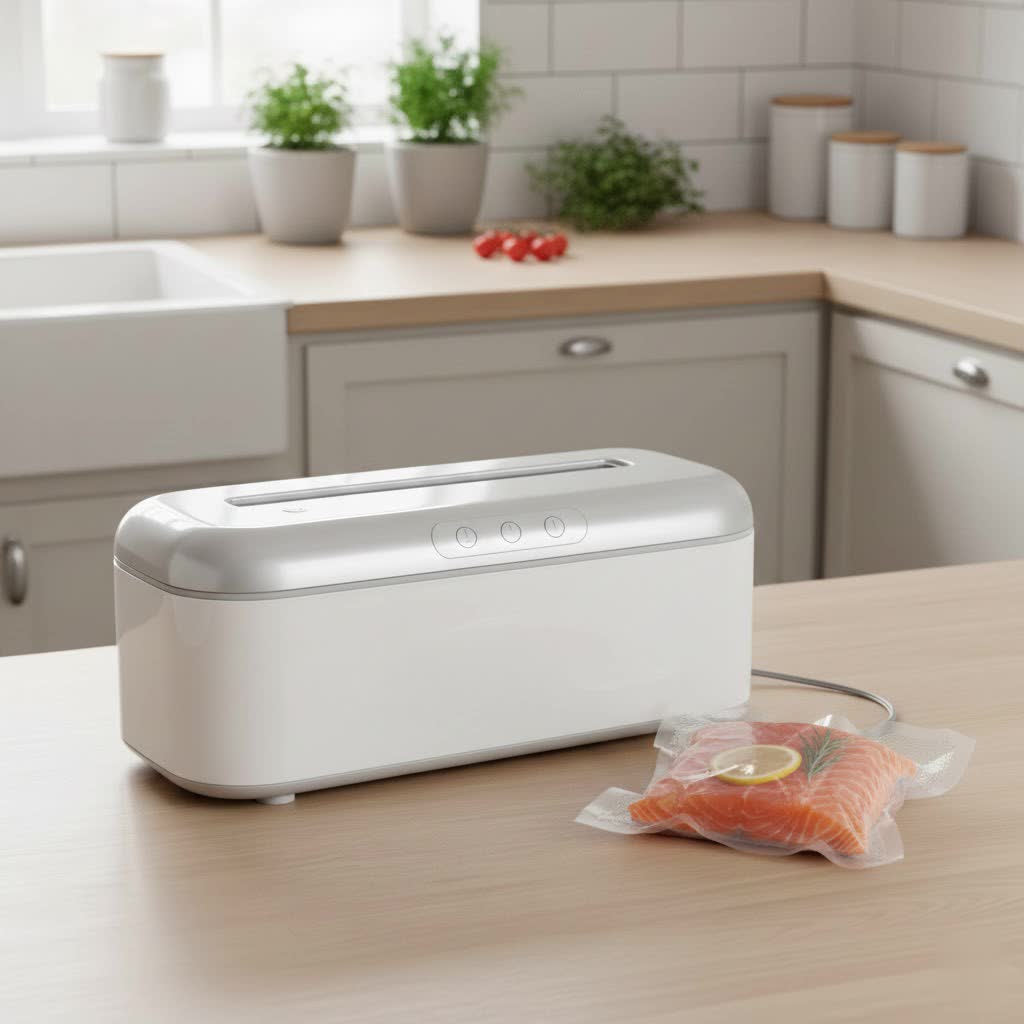
Vacuum sealing stands out as the most effective solution for maintaining guacamole’s pristine green color and fresh flavor. By systematically removing oxygen, the primary culprit behind discoloration, vacuum sealing offers an unparalleled method to extend the life of your favorite avocado dip, ensuring it remains vibrant and delicious for days, weeks, or even months. Dive into the world of vacuum sealing and discover how to keep your guacamole perfectly green, every single time.
What is Guacamole and Why Does It Brown?
Guacamole, originating from the Aztec civilization, is a traditional Mexican dip primarily made from mashed avocado, typically seasoned with lime juice, salt, cilantro, and sometimes onions, chiles, and tomatoes. Its rich, creamy texture and distinct flavor have made it a global favorite.
However, the inherent nature of avocados makes guacamole susceptible to rapid browning. This phenomenon is known as enzymatic oxidation. When the flesh of an avocado is exposed to air, an enzyme called polyphenol oxidase (PPO) reacts with oxygen, triggering a chemical process that results in the formation of melanin, which manifests as the unappetizing brown color. This browning not only affects the visual appeal but can also subtly alter the fresh taste of the dip, signaling a loss of quality.
The Science Behind Vacuum Sealing for Food Preservation
Vacuum sealing is a method of food preservation that involves removing air from a package before sealing. This process creates an airtight environment, drastically reducing the oxygen levels surrounding the food.
At its core, vacuum sealing works by inhibiting the factors that contribute to food spoilage: oxidation, moisture loss, and microbial growth. Oxygen is a key element for many spoilage mechanisms, including the enzymatic browning seen in guacamole, the growth of aerobic bacteria, and the rancidity of fats. By eliminating this oxygen, vacuum sealing dramatically slows down these degradation processes. The result is food that retains its fresh color, flavor, and nutritional value for significantly longer periods than traditional storage methods.
Benefits of Vacuum Sealing Guacamole
Vacuum sealing offers a multitude of advantages specifically tailored to preserving guacamole, transforming it from a quick-to-spoil treat into a convenient, make-ahead staple.
Extended Shelf Life
|
Our Picks for the Best Vacuum sealer in 2026
As an Amazon Associate I earn from qualifying purchases.
|
||
| Num | Product | Action |
|---|---|---|
| 1 | Food Vacuum Sealer Machine, 95KPa Powerful Food Saver with Dry/Moist/External Vacuum Modes, Built-in Cutter & Bag Storage, Single/Double Sealing, 1 Bag & 15 Pre-cut Bags |

|
| 2 | Gasbye 95kPa Precision Vacuum Sealer Machine, Double Heat Seal for Dry/Moist Food, Easy-Lock Handle, Built-in Bag Storage & Cutter, Progress Display, Pulse Mode, Removable Drip Tray, Silver |
|
| 3 | Vacuum Sealer Machine 75KPa Food with 6-in-1 Dry/Moist Modes & Digital Timer, Compact Lightweight Design, Built-in Cutter + 10 Bags (Black Silver) |
|
| 4 | MegaWise Vacuum Sealer Machine | 80kPa Suction Power| Bags and Cutter Included | Compact One-Touch Automatic Food Sealer with External Vacuum System | Dry Moist Fresh Modes for All Saving needs |
|
| 5 | Potane Precision Vacuum Machine,Pro Food Sealer with Built-in Cutter and Bag Storage(Up to 20 Feet Length), Both Auto&Manual Options,2 Modes,Includes 2 Bag Rolls 11”x16’ and 8”x16’,Compact Design |
|
| 6 | Bonsenkitchen Vacuum Sealer Machine | Compact Food Sealer for Kitchen Storage & Meal Prep | Multiple Modes | External Vacuum System | 5 Bags, Silver |
|
| 7 | 95Kpa Precision Pro Vacuum Sealer, with Double Heat Seal & Dual-Pump for Dry/Moist Food, 2X Strength, Food Vacuum Sealer Machine with Easy-Lock Handle, Built-in Cutter & Bag Storage, Stainless Steel |
|
| 8 | Vacuum Sealer for Food, 95kPa Food Saver Vacuum Sealer Machine, 135W Fast-Sealing with Easy Tear Cutter, Built-in Bag Storage, 9-in-1 Compact Food Vacuum Sealer Machine with 10 ft Bag Roll |
|
| 9 | Bonsenkitchen Vacuum Sealer Machine, Globefish Technology for Perfect Vacuum Sealing, Powerful Low-Noise Food Vacuum Sealer with Easy Handle Design, Built-in Cutter & Bag Storage, 1 Bag Roll & 10 Bags |
|
| 10 | Vacuum Sealer Machine 95KPA Powerful Suction, 10s Fast Seal, Dry & Moist Modes, Compact Food Vacuum Sealer with 30 Bags Included, Automatic Food Saver for Meal Prep, Sous Vide & Kitchen Storage |
|
One of the most significant benefits of vacuum sealing guacamole is the remarkable extension of its shelf life. While traditionally stored guacamole might last only 1-2 days in the refrigerator before browning, vacuum-sealed guacamole can stay fresh for 1-2 weeks in the fridge. If frozen after vacuum sealing, its freshness can be maintained for an impressive 6-8 months, providing flexibility for meal planning and reducing food waste.
Preserving Vibrant Color and Fresh Flavor
The primary goal for any guacamole enthusiast is to keep that appealing bright green color. Vacuum sealing achieves this by creating an oxygen-free environment, directly combating the enzymatic browning process that turns avocados brown. Beyond color, the airtight seal locks in the fresh, zesty flavors of your guacamole, preventing it from absorbing other odors in the refrigerator and preserving its authentic taste profile.
Preventing Bacterial Growth
The removal of oxygen slows down the growth of aerobic bacteria and molds that cause food spoilage. While vacuum sealing doesn’t sterilize food, it creates an environment less conducive to the proliferation of many common spoilage microorganisms, contributing to safer and longer-lasting guacamole. It’s crucial to note that vacuum sealing does not protect against anaerobic bacteria, so proper refrigeration or freezing is still essential.
Reducing Food Waste
Avocados can be expensive, and throwing away browned guacamole is wasteful. By enabling effective preservation, vacuum sealing helps reduce food waste, allowing you to enjoy every last scoop of your delicious creation. It empowers you to buy avocados in bulk and prepare larger batches of guacamole without concern for rapid spoilage.
Versatile Storage Options (Fridge & Freezer)
Vacuum sealing provides versatility in how you store your guacamole. For short-term preservation (up to two weeks), refrigeration is sufficient. For long-term storage, vacuum-sealed portions can be safely frozen, allowing you to enjoy homemade guacamole months down the line with minimal loss in quality.
Types of Vacuum Sealers for Guacamole
Choosing the right vacuum sealer depends on your specific needs, budget, and how frequently you plan to preserve food. Each type offers distinct advantages for handling the unique consistency of guacamole.
External Suction Vacuum Sealers (Bags)
These are the most common and affordable vacuum sealers, ideal for home use. They work by drawing air out of a specially designed bag and then heat-sealing it.
- Pros: Generally compact, user-friendly, and cost-effective. They are excellent for individual portions of guacamole. Many models include a “pulse” function, which is crucial for sealing moist foods like guacamole without crushing them or sucking liquids into the machine.
- Cons: Not suitable for liquid-heavy foods without pre-freezing or careful handling, as moisture can interfere with the seal. Bags are disposable.
- Features for Guacamole: Look for models with a “moist” setting or a “pulse” function to control the vacuum strength and prevent the dip from being drawn into the machine during sealing.
Chamber Vacuum Sealers (Bags & Containers)
Chamber sealers are professional-grade machines that enclose the entire bag or container within a chamber, then remove all the air from the chamber itself.
- Pros: Can seal liquids and delicate foods (like guacamole) without pre-freezing or special techniques, as the pressure inside and outside the bag equalizes. Creates a stronger, more reliable seal. Versatile for both bags and rigid containers.
- Cons: Significantly more expensive and larger than external suction models, making them a substantial investment for a home kitchen.
- Professional-grade benefits: Offers superior vacuum levels and consistency, making them the gold standard for preserving purees, soups, and other high-moisture items.
Handheld Vacuum Sealers (Containers & Jars)
These are small, battery-operated devices that use specific vacuum-sealable containers or jar attachments.
- Pros: Highly portable, convenient for smaller batches or daily use. Excellent for rigid containers and glass jars, which prevents crushing delicate foods. Reusable containers reduce ongoing costs.
- Cons: Less powerful than full-sized machines, so the vacuum seal might not be as strong or long-lasting as with bags. Requires compatible containers or jar lids.
- Portability and convenience: Ideal for quickly sealing small amounts of guacamole for refrigerated storage without the fuss of bags.
Comparison Table: Guacamole Preservation Methods
| Method | Effectiveness Against Browning | Shelf Life (Refrigerated) | Impact on Flavor | Ease of Use | Equipment Needed |
|---|---|---|---|---|---|
| Vacuum Sealing (Bags) | Excellent | 1-2 Weeks | Retains fresh flavor | Medium (needs pre-freeze) | External suction vacuum sealer, vacuum sealer bags |
| Vacuum Sealing (Jars) | Excellent | 1-2 Weeks (up to a year for unopened jars in a cool, dry place) | Retains fresh flavor | Easy | Vacuum sealer with jar attachment, vacuum-sealable jars |
| Plastic Wrap Pressed Directly | Good | 1-2 Days | Minimal | Easy | Plastic wrap |
| Lime/Lemon Juice Layer | Fair-Good | 1-2 Days | May alter flavor slightly | Easy | Citrus fruit |
| Water/Oil Layer | Fair | 1-2 Days | May alter texture or flavor | Easy-Medium | Water or oil |
Step-by-Step Guide to Vacuum Sealing Guacamole
Achieving perfectly green, vacuum-sealed guacamole requires a few key steps to ensure both efficacy and food safety.
Preparing Your Guacamole
Start with the freshest ingredients. Choose ripe but firm avocados and mash them to your desired consistency. Incorporate your preferred seasonings, such as finely diced red onion, cilantro, jalapeño, and critically, a good squeeze of fresh lime juice. The acidity from the lime juice acts as an initial barrier against oxidation, further enhancing the preservation efforts of vacuum sealing. Ensure all ingredients are well combined.
Vacuum Sealing in Bags (for Freezing)
This method is ideal for long-term storage in the freezer, especially when dealing with larger batches.
- Pre-freeze Guacamole: Scoop your prepared guacamole into your chosen vacuum sealer bags. Lay the bags flat on a baking sheet and place them in the freezer for approximately 45-60 minutes. The goal is for the guacamole to become firm but not completely frozen solid. This crucial step prevents the liquid content of the guacamole from being sucked into the vacuum sealer, which can damage the machine and compromise the seal.
- Fill Bags Appropriately: Once semi-frozen, ensure there’s enough headspace in the bag—at least 3-4 inches from the top—to allow for proper sealing. Avoid overfilling, which can lead to incomplete seals.
- Vacuum and Seal: Place the open end of the bag into your external suction vacuum sealer. If your sealer has a “pulse” function, use it to control the vacuum strength, stopping just before the guacamole is visibly compressed. This helps maintain texture. Otherwise, use a “moist” setting if available. The machine will then heat-seal the bag, creating an airtight package.
- Label and Store: Label the bags with the date and contents. Transfer them immediately to the freezer for storage.
Vacuum Sealing in Jars/Containers (for Refrigeration)
This method is excellent for short-to-medium term storage in the refrigerator, maintaining a fresh-from-the-bowl experience.
- Transfer to Jar: Carefully spoon your guacamole into a clean, dry glass jar or a vacuum-sealable container.
- Ensure Headspace: Leave about one inch of headspace from the rim of the jar or container. This space is essential for the vacuum sealing attachment to create a proper seal and prevents food from being drawn out during the vacuum process.
- Wipe Rim: Wipe the rim of the jar clean of any guacamole residue. Even a tiny bit of food can prevent a perfect seal.
- Attach Sealer: Place the appropriate vacuum sealer jar attachment or lid onto the jar/container. Connect the attachment hose from your vacuum sealer to the port on the jar sealer.
- Vacuum and Seal: Activate your vacuum sealer. The machine will remove the air from the jar. Once the vacuum cycle is complete, the lid will be tightly sealed. Remove the hose and attachment.
- Store: Label the jar with the date and refrigerate.
Storage and Thawing Tips for Vacuum Sealed Guacamole
Proper handling after vacuum sealing is just as important as the sealing process itself to ensure maximum freshness and safety.
Refrigerated Storage
Vacuum-sealed guacamole stored in the refrigerator should retain its vibrant green color and fresh taste for 1-2 weeks. For guacamole sealed in jars, some sources suggest it can last even longer, potentially up to a year if unopened and kept in a cool, dry place, though refrigeration is generally recommended for safety and quality. Always store in the coldest part of your refrigerator.
Freezing for Long-Term
For extended preservation, place vacuum-sealed bags of semi-frozen guacamole directly into the freezer. When frozen, your guacamole can remain fresh for 6-8 months without significant loss of quality or browning. Make sure your freezer maintains a consistent temperature of 0°F (-18°C) or below.
Thawing Instructions
To enjoy your frozen, vacuum-sealed guacamole, transfer the bag or container from the freezer to the refrigerator and allow it to thaw slowly overnight. Avoid thawing at room temperature to prevent bacterial growth. Once thawed, give it a good stir. There might be a slight change in texture due to freezing, but the flavor and color should remain excellent. Consume within 2-3 days after thawing.
Signs of Spoilage (beyond browning)
While vacuum sealing prevents browning, it does not stop spoilage indefinitely. Always check for other signs of spoilage before consuming. These include an off-odor, mold growth (which could appear despite the seal if the food was already contaminated), or an unusually sour taste. If any of these are present, discard the guacamole.
Maximizing Guacamole Freshness: Expert Tips
Beyond vacuum sealing, a few additional strategies can help ensure your guacamole stays at its peak.
- Start with Fresh Avocados: The quality of your ingredients directly impacts the final product and its longevity. Use perfectly ripe avocados that are free from blemishes or overly soft spots.
- Embrace Acidity: Always include a generous amount of fresh lime or lemon juice in your guacamole recipe. The citric acid naturally slows down the oxidation process, providing an extra layer of protection before and after sealing.
- Minimize Air Exposure at All Stages: Even before vacuum sealing, try to prepare your guacamole quickly. When transferring to bags or containers, work efficiently to reduce the time it’s exposed to air.
- Portion Control: Consider vacuum sealing guacamole in smaller, single-serving or family-sized portions. This way, you only thaw what you need, minimizing exposure for the rest of your preserved stash and preventing repeated thawing and refreezing, which can degrade quality.
- Consider a Thin Oil Layer: For guacamole stored in bags, a very thin layer of neutral oil (like olive or avocado oil) lightly brushed over the surface before sealing can act as an additional barrier against any residual oxygen, though vacuum sealing often makes this unnecessary.
Conclusion
The quest to keep guacamole green has challenged culinary enthusiasts for decades, but with the advent of modern food preservation techniques, the solution is clear. Vacuum sealing stands as the most effective method, providing an impenetrable barrier against the oxygen that causes unsightly browning and flavor degradation. By embracing vacuum sealing, you can confidently prepare large batches of this beloved dip, extending its vibrant color and fresh taste for weeks in the refrigerator or months in the freezer. Say goodbye to oxidized avocado and hello to consistently perfect guacamole, ready to impress at a moment’s notice. Why not invest in a vacuum sealer today and unlock a world of fresh possibilities for your kitchen?
Frequently Asked Questions
How long can vacuum sealed guacamole stay green?
Vacuum-sealed guacamole can stay vibrantly green for 1-2 weeks when refrigerated and typically for 6-8 months when properly frozen, thanks to the removal of oxygen that causes browning.
Can I vacuum seal guacamole with tomatoes or onions in it?
Yes, you can vacuum seal guacamole with other ingredients like tomatoes and onions. The key is to ensure the guacamole is firm enough (e.g., by pre-freezing for bags) to prevent liquids from interfering with the seal and the vacuum process.
Does vacuum sealing change the texture of guacamole?
When vacuum sealing for refrigeration, the texture remains largely unaffected. However, freezing and thawing vacuum-sealed guacamole can sometimes result in a slightly softer or more watery texture due to ice crystal formation, though this is generally minimal and can often be remedied with a good stir.
What kind of vacuum sealer is best for guacamole?
For home use, an external suction vacuum sealer with a “pulse” function or “moist” setting is excellent for bags, especially if pre-freezing. For sealing in jars, a handheld vacuum sealer with a jar attachment or an external sealer with a jar attachment is ideal. Chamber vacuum sealers offer the best results for all textures but are a larger investment.
Can I reuse vacuum sealer bags for guacamole?
Generally, it is not recommended to reuse vacuum sealer bags, especially for moist or oily foods like guacamole, due to hygiene concerns and potential degradation of the bag material. Always use new, food-grade vacuum sealer bags for optimal safety and sealing performance.