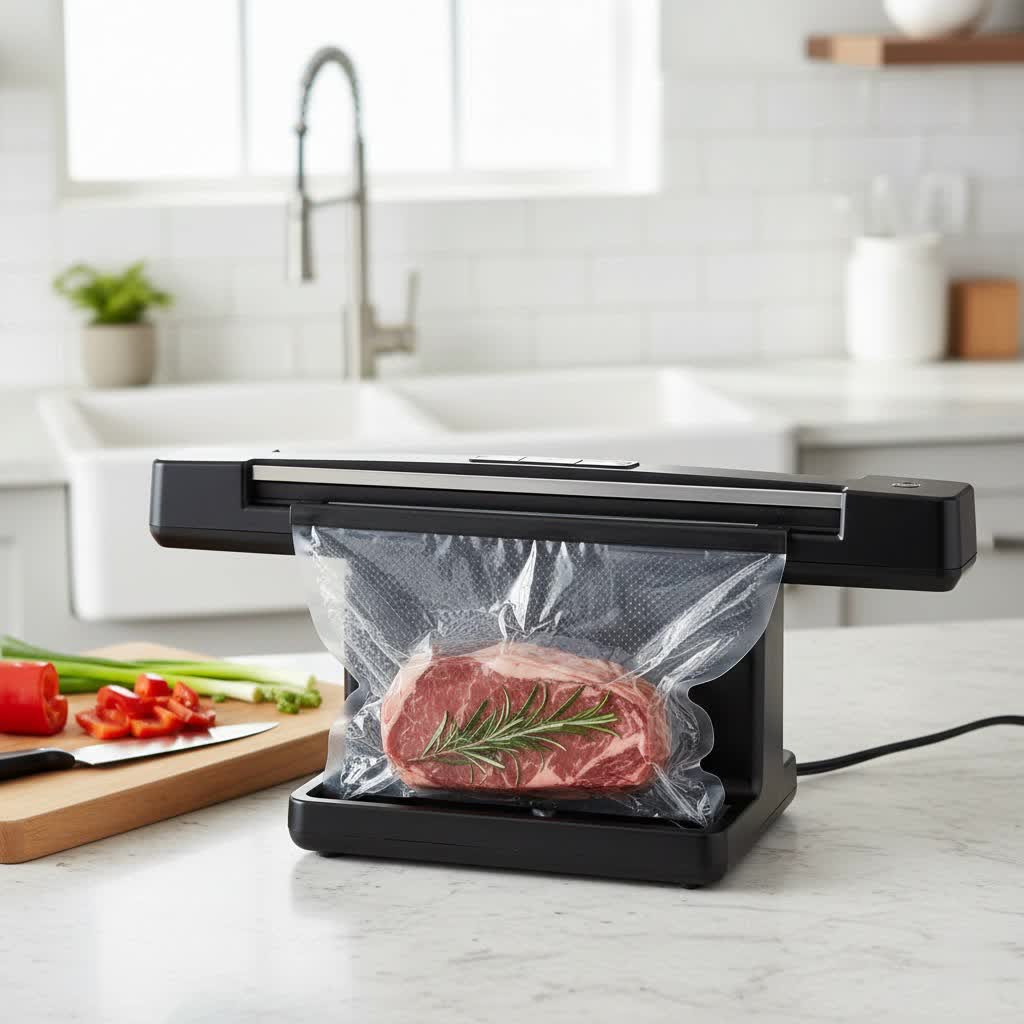
Imagine savoring the vibrant taste of garden-fresh vegetables in the dead of winter. It sounds like a dream, but with the right preservation techniques, it can be your reality. Vacuum sealing is a powerful method for extending the life of your produce, but when it comes to vegetables, there’s a critical step often overlooked: blanching. Mastering this technique ensures your vegetables retain their color, flavor, texture, and nutritional value, making your efforts truly worthwhile.
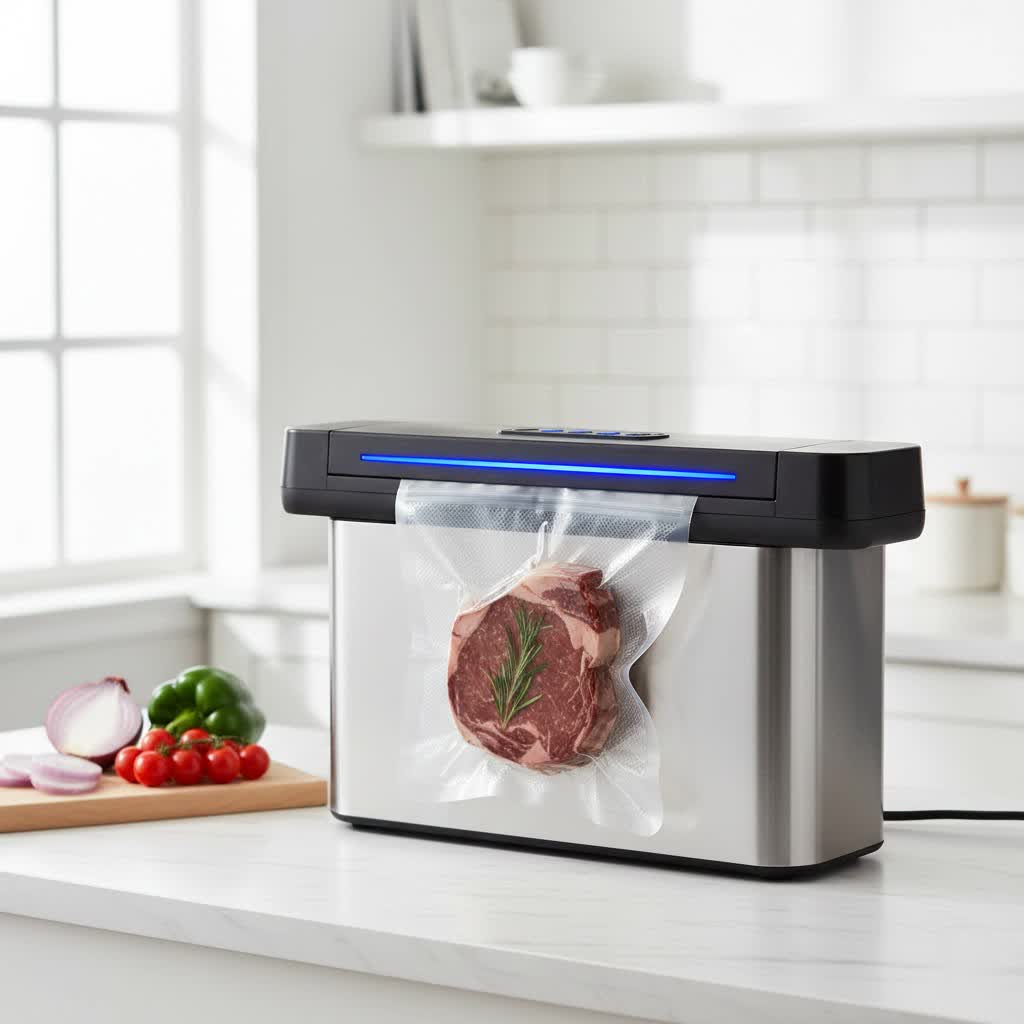
What is a Vacuum Sealer?
A vacuum sealer is a kitchen appliance designed to remove air from a package before sealing it. This process creates an airtight environment, drastically reducing oxygen exposure, which is the primary cause of food spoilage. Modern vacuum sealers range from compact handheld devices to more robust countertop models, making advanced food preservation accessible for both home cooks and commercial users. The fundamental principle involves drawing out air and then heat-sealing the bag, locking in freshness.
Benefits of Vacuum Sealing Vegetables
Vacuum sealing offers a multitude of advantages that transform how you manage your kitchen and food supply. It’s an investment that pays off in reduced waste and enhanced culinary experiences.
Extended Shelf Life and Reduced Spoilage
Table is empty.By removing oxygen, vacuum sealing dramatically slows down the growth of spoilage-causing bacteria and molds. This means vegetables that might only last a few days in the refrigerator can remain fresh for two to three weeks, and frozen vegetables can last up to three years instead of the typical six to twelve months. This extension prevents food waste and ensures you always have quality produce on hand.
Preventing Freezer Burn and Maintaining Quality
Freezer burn occurs when food is exposed to air in the freezer, leading to dehydration and ice crystal formation that degrades texture and flavor. Vacuum sealing creates an impenetrable barrier against air, eliminating freezer burn entirely. Your vegetables emerge from the freezer with their original texture and freshness intact, ready to be enjoyed.
Preserving Nutrients, Flavor, and Color
Oxygen is not only responsible for spoilage but also for the oxidation of vitamins and minerals, leading to nutrient loss and dulling of colors and flavors. Vacuum sealing halts this process, locking in the essential nutrients, vivid hues, and natural tastes of your vegetables. This ensures your meals are not only convenient but also nutritionally rich and appealing.
Optimizing Storage Space
Vacuum-sealed bags are compact and flexible, taking up significantly less space than bulky containers. This allows for more efficient organization of your refrigerator and freezer, helping you maximize every inch of storage. Flat-packed vegetables are also easier to stack, keeping your pantry tidy.
Versatile Applications
Beyond simple preservation, vacuum sealing enhances other cooking techniques. It’s perfect for marinating, allowing marinades to penetrate deeper and faster. It also prepares food for sous vide cooking, enabling precise temperature control and evenly cooked, tender results. Whether for daily meals or special occasions, vacuum sealing adds versatility to your culinary toolkit.
The Crucial Role of Blanching Before Vacuum Sealing
While vacuum sealing itself is powerful, for most vegetables destined for the freezer, blanching is an indispensable preliminary step. This process, often misunderstood, is the key to truly successful long-term preservation.
Why Blanching is Essential for Most Vegetables
Blanching involves briefly scalding vegetables in boiling water or steam, then rapidly cooling them in an ice bath. The primary reason for this step is to inactivate enzymes. Vegetables naturally contain enzymes that cause them to ripen, age, and eventually spoil. Even at freezing temperatures, these enzymes can remain active, leading to:
- Discoloration: Vegetables can turn dull or brown.
- Texture Changes: They can become mushy or overly soft.
- Flavor Loss or Off-Flavors: The natural taste can diminish or develop an unpleasant bitterness.
- Gas Production: Some vegetables release gases, which can cause vacuum-sealed bags to swell and compromise the seal.
Blanching stops this enzymatic action, preserving the vegetable’s vibrant color, firm texture, and fresh flavor through prolonged storage. It also helps to cleanse the surface of dirt and microorganisms.
Vegetables That Require Blanching
Most common garden vegetables benefit immensely from blanching before vacuum sealing and freezing. This includes:
- Cruciferous Vegetables: Broccoli, cauliflower, Brussels sprouts, cabbage, kale, bok choy. These vegetables are particularly prone to gas emission and significant texture changes if not blanched.
- Legumes: Green beans, peas, edamame.
- Root Vegetables (cut): Carrots, potatoes (if not dehydrated or fried first), sweet potatoes, beets, turnips.
- Corn: On or off the cob.
- Leafy Greens (for freezing): Spinach, collard greens, Swiss chard.
- Asparagus, Okra, Zucchini, Summer Squash.
Vegetables That Might Not Require Blanching (for specific uses)
While blanching is generally recommended for freezing, a few vegetables might be vacuum sealed raw for specific, usually shorter-term, refrigeration purposes:
- Bell Peppers: Can often be vacuum sealed raw and frozen without significant quality loss, though blanching can help maintain texture for longer.
- Herbs (some): Parsley, mint, chives, basil, and dill can be vacuum sealed raw after being thoroughly dried, especially for refrigeration or short-term freezing. For longer freezing, blanching is often still beneficial.
- Lettuce and Soft Greens: Can be vacuum sealed raw and refrigerated for up to two weeks to extend crispness. Freezing raw lettuce, however, will result in a soft, wilted texture upon thawing.
Vegetables Not Suitable for Vacuum Sealing Raw (or at all)
It’s crucial to know which vegetables should never be vacuum sealed raw due to health risks or poor quality:
- Raw Onions and Garlic: These vegetables can produce gases when deprived of oxygen, leading to inflated bags and potential growth of dangerous anaerobic bacteria like Clostridium botulinum (which causes botulism). Only vacuum seal them if cooked and cooled.
- Raw Mushrooms: Similar to onions and garlic, raw mushrooms can also foster anaerobic bacterial growth when vacuum sealed. Only vacuum seal cooked mushrooms.
- Cruciferous Vegetables (in the fridge): While blanching allows these to be frozen, storing raw broccoli, cabbage, or Brussels sprouts vacuum sealed in the refrigerator can lead to gas buildup and spoilage.
Step-by-Step Guide to Vacuum Sealing Vegetables with Blanching
Follow these steps to ensure your vegetables are perfectly prepared and preserved for optimal quality.
Step 1: Prepare Your Vegetables
Begin by thoroughly washing your chosen vegetables under cold running water to remove any dirt or debris. Trim any unwanted parts, such as stems or tough ends. For larger vegetables, cut them into uniform, manageable pieces (e.g., florets, slices, cubes) suitable for portioning and eating. Uniform size ensures even blanching.
Step 2: Blanching the Vegetables
This is the most critical step for most vegetables you intend to freeze.
- Boil Water: Fill a large pot with water and bring it to a rolling boil. For every pound of vegetables, use at least one gallon of water. You can add a pinch of salt to the water, though it’s not strictly necessary for preservation.
- Prepare Ice Bath: While the water heats, prepare an ice bath. Fill a large bowl with ice and cold water; this will be used to quickly stop the cooking process.
- Blanch: Immerse a small batch of prepared vegetables into the boiling water. Do not overcrowd the pot, as this will lower the water temperature and result in uneven cooking. Cover the pot and allow the water to return to a boil. Once boiling again, start timing according to the specific vegetable (refer to the table below).
- Shock: Immediately after the blanching time is up, use a slotted spoon to transfer the vegetables from the boiling water directly into the ice bath. This rapid cooling, known as shocking, stops the cooking process and locks in color and texture. Keep them in the ice bath for the same amount of time they were blanched.
Step 3: Thoroughly Dry and Cool
After the ice bath, remove the vegetables and spread them in a single layer on clean towels or a baking sheet. It is absolutely essential that the vegetables are thoroughly dry before vacuum sealing. Any residual moisture can lead to freezer burn, ice crystals, and an improper seal. Allow them to air dry completely or gently pat them dry. Ensure they are fully cooled to room temperature or colder.
Step 4: Optional Pre-Freezing
For delicate vegetables like berries, leafy greens, or individual pieces you want to keep separate, an optional pre-freezing step is beneficial. Arrange the blanched and dried vegetables in a single layer on a baking sheet and freeze them until solid (about 1-2 hours). This prevents them from clumping together and protects them from crushing during the vacuum sealing process.
Step 5: Packaging with a Vacuum Sealer
Once your vegetables are dry and cool (and pre-frozen, if applicable):
- Portion: Divide the vegetables into meal-sized portions that will fit comfortably in your vacuum sealer bags.
- Fill Bags: Place the portions into vacuum sealer bags, ensuring there’s at least 2-3 inches of empty space at the top of the bag for the sealing bar. Avoid overfilling, which can hinder a proper seal.
- Seal: Place the open end of the bag into your vacuum sealer according to the manufacturer’s instructions. Initiate the vacuum and seal cycle. The machine will remove air and then create a strong, airtight seal. For moist vegetables, some sealers have a “moist” setting, which can adjust the sealing time for better results.
Step 6: Label and Store
Label each vacuum-sealed bag with the contents and the date of sealing. This helps with inventory management and ensures you use the oldest items first. Store the sealed bags in your freezer.
Blanching Times for Common Vegetables
Blanching times can vary slightly depending on the size and freshness of the vegetables. Use this table as a general guide:
| Vegetable | Preparation | Blanching Time (Boiling) |
|---|---|---|
| Asparagus | Small spears | 2 minutes |
| Broccoli | Florets (1-inch pieces) | 3 minutes |
| Brussels Sprouts | Small heads | 3 minutes |
| Carrots | Sliced or diced (1/4-inch) | 2 minutes |
| Cauliflower | Florets (1-inch pieces) | 3 minutes |
| Corn (on the cob) | Small ears | 7 minutes |
| Green Beans | Whole or cut | 3 minutes |
| Peas | Shelled | 1.5 minutes |
| Spinach/Leafy Greens | Whole leaves | 2 minutes |
| Zucchini / Summer Squash | Sliced (1/2-inch) | 3 minutes |
Choosing the Right Vacuum Sealer and Bags
The success of your vegetable preservation also depends on the quality of your equipment.
Types of Vacuum Sealers
- External (Suction) Vacuum Sealers: These are the most common type for home use. They draw air out of a bag placed outside the machine. They are generally affordable and effective for most dry and blanched vegetables.
- Chamber Vacuum Sealers: Primarily used in commercial settings, these machines place the entire bag inside a chamber, then remove air from the entire chamber. They are more expensive but can handle liquids and delicate items with greater efficiency and offer stronger seals.
Selecting Quality Vacuum Sealer Bags/Rolls
Always use bags specifically designed for vacuum sealing. Look for:
- Durability: Thick, multi-ply bags are less prone to punctures and tears.
- Freezer-Safe: Ensure they can withstand freezing temperatures without becoming brittle.
- BPA-Free: For food safety, choose bags made from food-grade, BPA-free materials.
- Rolls vs. Pre-cut Bags: Rolls allow you to customize bag size, minimizing waste, while pre-cut bags offer convenience for standard portions.
Tips for Maximizing Vacuum Sealing Effectiveness
Beyond the basic steps, a few expert tips can elevate your vacuum sealing game, ensuring every batch of vegetables is perfectly preserved.
Avoid Overfilling Bags
Leave ample space (at least 2-3 inches) between the food and the top edge of the bag. This allows the machine to create a strong, reliable seal and prevents food particles from interfering with the sealing bar. Overfilling can lead to compromised seals and spoilage.
Proper Sealing Technique
Ensure the open end of the bag is clean and dry before placing it into the sealer. Food debris or moisture on the sealing area can prevent an airtight seal. If sealing items with sharp edges, like frozen potato wedges, consider wrapping them in a paper towel before placing them in the bag to prevent punctures.
Storage Best Practices
Once vacuum sealed and frozen, store your vegetables in a consistent freezer temperature (0°F / -18°C or colder). Avoid frequent opening and closing of the freezer door, which can cause temperature fluctuations. Arrange bags neatly to prevent accidental damage and to easily locate what you need.
Creative Uses Beyond Freezing
Vacuum sealing isn’t just for freezing. Think about using it for:
- Refrigerator Storage: Keep blanched or non-gassy raw vegetables fresh for longer in the fridge.
- Pantry Organization: Store dried vegetables, beans, or grains, protecting them from moisture, pests, and staleness.
- Camping or Picnics: Pre-portion meals or snacks for easy transport and freshness.
Conclusion
Vacuum sealing, especially when coupled with the critical step of blanching, is an incredibly effective method for preserving the freshness, flavor, and nutrients of your favorite vegetables. By inactivating enzymes, preventing freezer burn, and maintaining quality, you transform your freezer into a year-round pantry of vibrant produce. This powerful combination significantly extends shelf life, reduces food waste, and simplifies meal preparation, allowing you to enjoy the taste of summer any time you desire. Are you ready to unlock the full potential of your produce and revolutionize your kitchen?
Frequently Asked Questions
Can you vacuum seal all vegetables without blanching?
No, while some vegetables like bell peppers or specific herbs can be vacuum sealed raw for shorter refrigeration periods, most vegetables, especially those intended for freezing, require blanching to inactivate enzymes and prevent spoilage, discoloration, and texture changes. Vegetables that emit gases, such as raw onions, garlic, and unblanched cruciferous vegetables, should never be vacuum sealed raw.
How long do blanched and vacuum-sealed vegetables last in the freezer?
When properly blanched, dried, and vacuum sealed, most vegetables can last up to 2-3 years in the freezer, significantly extending their shelf life compared to conventional freezing methods, which typically offer only 6-12 months.
What happens if I don’t blanch vegetables before vacuum sealing and freezing?
Without blanching, the enzymes within the vegetables remain active even at freezing temperatures. This will lead to undesirable changes over time, including discoloration, loss of crispness, mushy texture, diminished flavor, and potential off-odors, ultimately resulting in a lower quality product.
Can I vacuum seal cooked vegetables?
Yes, you can vacuum seal cooked vegetables, but it’s crucial to allow them to cool completely to room temperature before sealing. Sealing hot food can create condensation inside the bag, compromising the seal and fostering bacterial growth.
Do I need special bags for vacuum sealing vegetables?
Yes, you should use specific Vacuum Sealer bags or rolls that are durable, freezer-safe, and designed to create an airtight seal with your machine. These bags are typically made from multi-ply, food-grade, BPA-free materials that can withstand the vacuum process and cold temperatures.