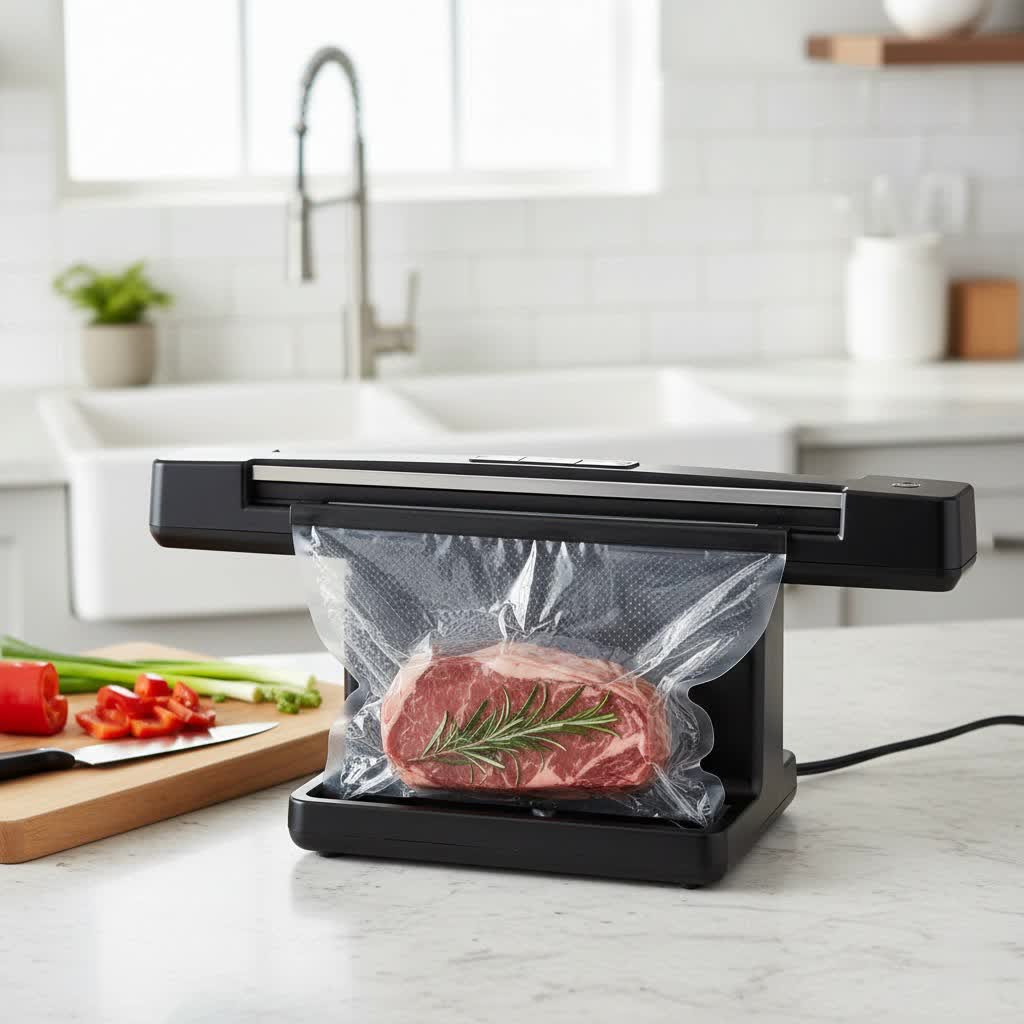
A vacuum sealer is an indispensable tool for extending the freshness of food, protecting valuables, and streamlining meal preparation. At its heart lies the vacuum pump, the unsung hero responsible for removing air and creating that airtight seal we all rely on. However, like any hardworking component, the vacuum pump is susceptible to damage if not properly cared for. Understanding the common mistakes that can ruin your vacuum sealer pump is the first step towards ensuring its longevity and consistent performance.
What is a Vacuum Sealer Pump?
A vacuum sealer pump is the mechanical engine of your vacuum sealing machine. Its primary function is to draw air out of the vacuum bag or chamber, creating a low-pressure environment. This process removes oxygen, which is a key factor in food spoilage, thereby preserving freshness and preventing freezer burn. Whether you own a compact external suction model or a robust chamber vacuum sealer, the pump is crucial for achieving an effective, airtight seal. Some pumps are “dry” (oil-free), while others, especially in more powerful or commercial units, are oil-lubricated, requiring specific maintenance routines.
Why Is Your Vacuum Sealer Pump So Important?
Without a functioning vacuum pump, your vacuum sealer is just a fancy bag sealer. The pump is directly responsible for generating the suction necessary to remove air, which is the entire purpose of vacuum sealing. A compromised pump results in weak vacuums, incomplete seals, and ultimately, failed food preservation. This can lead to spoiled food, wasted effort, and unnecessary expenses in replacements or repairs. Maintaining your pump is paramount to maximizing your sealer’s efficiency and protecting your investment.
Top Common Mistakes That Ruin Your Vacuum Sealer Pump
Many issues that lead to pump failure are preventable. By understanding these common missteps, you can significantly extend the life and performance of your vacuum sealer.
Neglecting Oil Changes and Using Contaminated Oil
For oil-lubricated pumps, oil is the lifeblood. It lubricates moving parts, creates the crucial seal needed for deep vacuum, and dissipates heat. Neglecting regular oil changes allows the oil to break down, become contaminated with particles and moisture, and lose its essential properties.
- Dangers: Dirty, thick, or insufficient oil increases friction, causes premature wear on internal components, reduces the pump’s ability to pull a strong vacuum, and can lead to severe overheating and motor burnout. Operating with cold, thick oil strains the motor immensely.
- Prevention: Follow manufacturer guidelines for oil change frequency (often based on hours of use). Regularly check the oil level and clarity through the sight glass; clear oil indicates good condition, while dark or milky oil suggests contamination and a need for change.
Allowing Liquids or Moisture into the Pump
This is arguably one of the most damaging mistakes. While vacuum sealers are designed for food, direct liquid suction can be catastrophic for the pump.
- How it Happens: Sealing wet, juicy, or marinated items without proper precautions, or overfilling bags, can cause liquids to be drawn directly into the pump mechanism.
- Consequences: Liquids can corrode internal components, dilute and contaminate pump oil, create blockages, and in freezing temperatures, cause water to expand and crack the pump housing. This leads to costly repairs or complete pump failure.
- Prevention: Always leave ample headspace in bags when sealing wet items. Consider pre-freezing liquids or very moist foods until solid. For chamber sealers, ensure liquids remain within the bag’s confines. Many external sealers have drip trays; keep them clean and use external liquid traps if available.
Overheating the Pump
Continuous operation without adequate rest can quickly lead to an overheated pump, especially in home-use models not designed for heavy-duty tasks.
- Causes: Running multiple sealing cycles back-to-back, exceeding the machine’s recommended duty cycle, or blocked ventilation vents.
- Effects: Excessive heat can degrade internal components, strain the motor, and significantly shorten the pump’s lifespan. Some machines will shut down automatically due to thermal protection, but repeated overheating causes cumulative damage.
- Prevention: Allow your vacuum sealer to cool down between cycles, especially after sealing several bags in a row. Ensure the machine’s vents are unobstructed for proper airflow and that it’s placed in a well-ventilated area.
Ignoring Blockages and Debris
Small particles can cause big problems when they get into the vacuum system.
- Sources: Food crumbs, dust, tiny bits of plastic from bags, or general kitchen debris.
- Impact: These contaminants can clog air intake ports, filters, or vacuum channels, forcing the pump to work harder to achieve suction. This leads to reduced performance, motor strain, and potential mechanical damage.
- Prevention: Regularly clean the vacuum channel, air intake area, and any removable filters. Use compressed air or a pipe cleaner to clear obstructions.
Using Worn-Out Gaskets and Seals
The gaskets and sealing strips are critical for creating an airtight chamber. While not directly part of the pump, their condition heavily impacts pump performance.
- Role: Gaskets create a tight seal between the lid and the base, preventing air from re-entering the vacuum chamber or bag.
- How Worn Gaskets Affect the Pump: If gaskets are cracked, compressed, dirty, or misaligned, they will allow air leaks. The pump will continuously run or struggle to pull a full vacuum, working much harder than necessary and leading to premature wear and failure.
- Prevention: Inspect gaskets regularly for cracks, tears, or debris. Clean them after each use. Replace them promptly if signs of wear are visible, as they are typically user-replaceable parts.
Operating in Extreme Temperatures or Environments
The surrounding environment can have a significant impact on your vacuum sealer pump.
- Cold Weather: Operating an oil-based pump in very cold conditions can cause the oil to become thick and viscous, straining the motor. More dangerously, any condensed moisture inside the pump can freeze and expand, potentially cracking the pump housing.
- High Humidity: Humid environments can lead to moisture buildup inside the machine, promoting rust and corrosion of internal metal components.
- Dusty Environments: Excessive dust can clog vents and filters, similar to food debris, hindering airflow and causing the pump to overheat or overwork.
- Prevention: Store and operate your vacuum sealer in a clean, dry, temperate environment. If operating in cold conditions, preheat the pump or allow it to warm up. In humid areas, consider storing it near a dehumidifier or covering it when not in use.
Overlooking Unusual Noises and Performance Drops
Your vacuum sealer often “talks” to you before a major failure. Ignoring these early warning signs is a costly mistake.
- Signs of Trouble: Any new or unusual noises (chattering, hissing, grinding, rattling), a noticeable decrease in vacuum strength, slower vacuum cycles, or bags that fail to hold a seal consistently.
- Importance of Early Diagnosis: These symptoms often indicate underlying issues such as low oil, internal leaks, blockages, or worn components. Addressing them early can prevent minor problems from escalating into catastrophic pump failure.
- Action: If you notice any changes in performance or sound, consult your user manual for troubleshooting steps or seek professional servicing.
A Comparison of Pump Types: Oil-Lubricated vs. Oil-Free
While both types of pumps serve the same function, their maintenance needs differ.
- Oil-Lubricated Pumps: Typically found in higher-end or commercial chamber vacuum sealers, these pumps offer superior vacuum strength and durability. However, they require regular oil changes and checks to maintain optimal performance. Mistake avoidance heavily revolves around oil quality, levels, and prevention of contamination.
- Oil-Free (Dry) Pumps: Common in most external suction, home-use vacuum sealers, these pumps require less direct maintenance concerning oil. However, they are often more susceptible to damage from liquids and debris entering the system, as they lack the oil’s protective and sealing properties. Preventing blockages and liquid ingress is paramount.
Understanding your specific machine’s pump type will guide your maintenance efforts and help you avoid the most relevant mistakes.
Essential Maintenance Practices to Protect Your Pump
Proactive care is the best defense against pump failure. Implement these practices to safeguard your investment.
Regular Cleaning Routine
Wipe down your vacuum sealer after every use. Pay special attention to the sealing bar, drip tray (if present), and the vacuum channel or chamber. This prevents food particles and liquids from building up and potentially entering the pump system. For external suction sealers, ensure the intake ports are clear.
Timely Oil Checks and Changes (for relevant pumps)
If your vacuum sealer has an oil-lubricated pump, make checking and changing the oil a priority. Refer to your manual for the recommended schedule. Visually inspect the oil for clarity and level. Some advanced chamber sealers even feature an “oil conditioning program” that heats the oil to boil off accumulated moisture; utilize this feature regularly if available.
Inspecting Seals and Gaskets
Periodically examine all rubber gaskets and sealing strips for any signs of wear, cracks, dirt, or compression. Clean them thoroughly and ensure they are properly seated. Replace any worn gaskets immediately to maintain an airtight seal and prevent your pump from overworking.
Monitoring for Performance Changes
Be attentive to how your machine sounds and performs. A healthy pump operates smoothly and efficiently. If vacuuming takes longer, the suction feels weaker, or you hear unusual noises, investigate promptly. Early detection can prevent minor issues from becoming major repairs.
Proper Storage and Environmental Control
Store your vacuum sealer in a cool, dry, clean environment, away from direct sunlight, extreme temperatures, and high humidity. If it’s not used frequently, consider a protective dust cover to keep internal components clean and free from environmental contaminants.
Pro Tips for Extending Pump Lifespan
Beyond basic maintenance, these additional tips can further enhance your pump’s durability and efficiency.
Pre-Freezing Wet Items
When sealing moist foods, soups, or marinades, consider pre-freezing them slightly or entirely before vacuum sealing. This solidifies liquids, preventing them from being drawn into the pump during the vacuuming process.
Allowing Adequate Cool-Down Periods
Respect your machine’s duty cycle. If you’re sealing many items, especially in a home-use external suction sealer, allow for short rest periods between cycles to prevent the pump from overheating. This simple habit can significantly extend its operational life.
Using the Right Bags and Accessories
Always use high-quality vacuum sealer bags compatible with your machine. Poor-quality bags or improper sealing materials can lead to weak seals, air leaks, and increased strain on your pump as it tries to compensate for the compromised seal.
Consulting Your User Manual
Your vacuum sealer’s manual is an invaluable resource. It contains brand-specific maintenance schedules, troubleshooting guides, and essential information about your particular pump type and its requirements. Adhering to these guidelines is the most reliable way to ensure longevity.
Conclusion
Your vacuum sealer pump is a sophisticated component that, with proper care, can provide years of reliable service. The most common mistakes—from neglecting oil changes and allowing liquid ingress to overheating and ignoring warning signs—are largely preventable. By embracing a routine of regular cleaning, attentive maintenance, and smart usage habits, you not only extend the life of your Vacuum Sealer but also ensure that your preserved food remains as fresh and safe as possible. Don’t let easily avoidable errors lead to pump failure; empower yourself with knowledge and give your machine the care it deserves.
Frequently Asked Questions
How often should I change the oil in my oil-lubricated vacuum sealer pump?
The frequency of oil changes depends on usage and pump type. Generally, manufacturers recommend changing the oil every 50 to 100 hours of operation, or at least every 3 to 6 months, whichever comes first. Always consult your specific machine’s user manual for precise recommendations and to maintain warranty.
Can I repair a damaged vacuum sealer pump myself?
While some basic troubleshooting and part replacements (like gaskets) can be done at home, significant pump damage, especially involving internal components or motor issues, typically requires professional servicing. Attempting complex repairs without expertise can void warranties or cause further damage.
What are the signs that my vacuum sealer pump is failing?
Key indicators of a failing pump include weak or no suction, unusually loud or different operating noises (e.g., grinding, chattering), significantly longer vacuum cycles, inability to achieve a complete vacuum, or consistent seal failures despite using new bags and clean sealing bars.
How can I prevent liquid from entering my vacuum sealer pump?
To prevent liquids from damaging your pump, always leave adequate headspace in bags (at least 2-3 inches). Consider pre-freezing very wet foods or liquids before sealing. For external sealers, use external liquid traps if available, and ensure the drip tray is clean and empty.
Is it necessary to clean the air intake and filters on my vacuum sealer?
Yes, absolutely. The air intake ports and any integrated filters can become clogged with food particles, dust, or debris. This restricts airflow, making the pump work harder and reducing its efficiency, which can lead to overheating and premature wear. Regular cleaning is crucial for optimal performance.