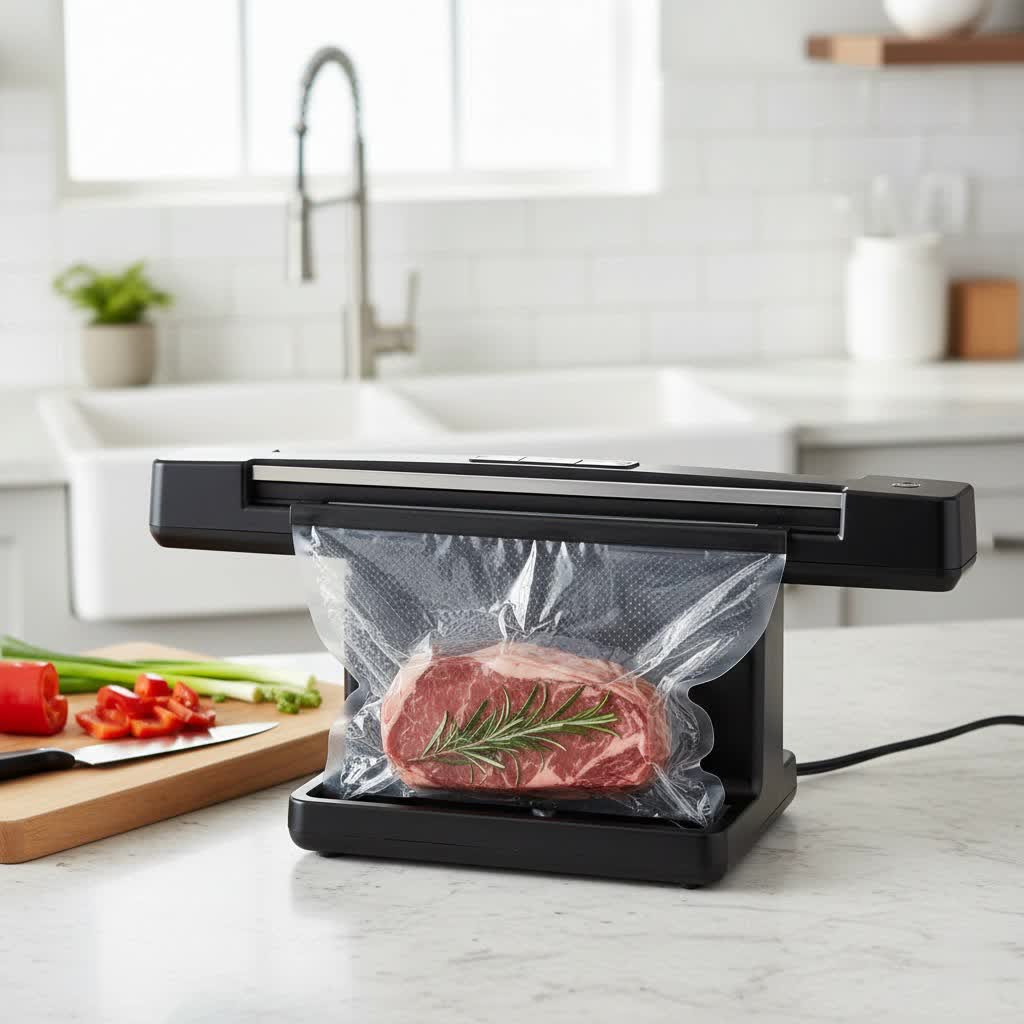
Imagine reaching into your freezer to pull out perfectly preserved strawberries, their shape intact, or a delicate pastry, uncrushed and ready to enjoy. For home cooks and culinary enthusiasts alike, the dream of extending food freshness without compromising quality is paramount. While traditional vacuum sealers offer undeniable benefits in preventing freezer burn and prolonging shelf life, they often fall short when dealing with delicate or liquid-rich items. This is where the pulse function emerges as a true game-changer, offering unparalleled manual control to safeguard your culinary creations.
What is a Vacuum Sealer?
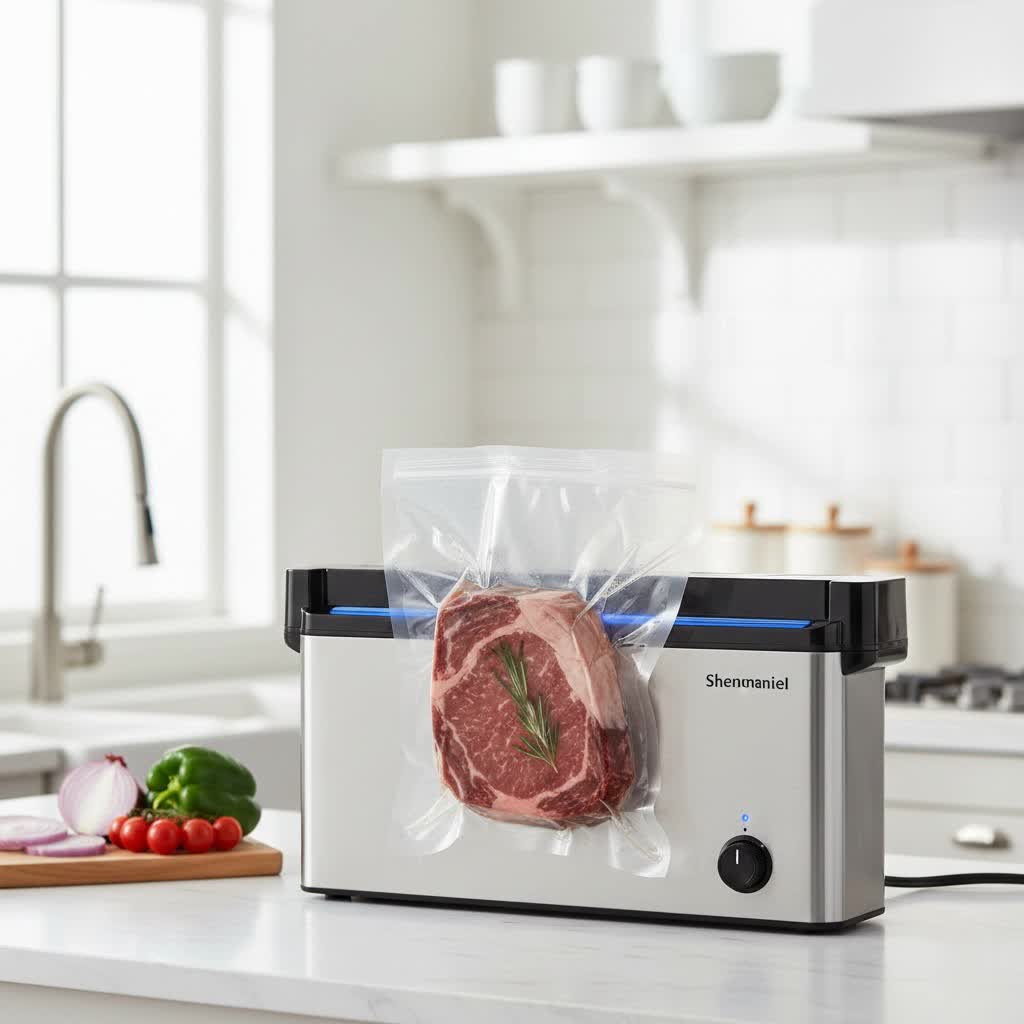
At its core, a vacuum sealer is a kitchen appliance designed to remove air from a food storage bag or container before sealing it. This process creates an airtight environment, significantly inhibiting the growth of bacteria, mold, and yeast, which are the primary culprits behind food spoilage. By eliminating oxygen, vacuum sealers can extend the shelf life of food by up to five times longer than conventional storage methods. Early vacuum sealing concepts date back to the 1940s, evolving from large industrial machines to the compact, user-friendly devices we rely on in our kitchens today. Their fundamental principle remains the same: drawing out air to lock in freshness, flavor, and nutrients.
The Game-Changer: Understanding the Pulse Function
While standard vacuum sealers operate with an automatic vacuum cycle, the pulse function offers a level of precision that transforms your food preservation capabilities. It allows you to take manual command of the vacuum process, removing air in short, controlled bursts instead of a continuous suction. Think of it as a dimmer switch for your vacuum sealer – you control the intensity and duration of the air extraction.
When you engage the pulse function, typically by pressing and holding a dedicated button, the machine will vacuum for as long as you keep the button pressed. Releasing the button temporarily halts the suction. This on-demand control is what makes it so invaluable. You can observe the bag compressing around the food, and at the exact moment you achieve the desired vacuum level without crushing the contents or drawing liquids too far, you can release the button and proceed to seal. This feature empowers you to make real-time adjustments, adapting to the specific needs of each food item you’re sealing.
Benefits of a Pulse Function Vacuum Sealer
Integrating a pulse function into your food preservation routine offers a multitude of advantages, significantly expanding the types of foods you can effectively seal and store.
Protecting Delicate Foods
Table is empty.One of the most significant benefits of a pulse function is its ability to protect delicate and easily crushed foods. Imagine trying to vacuum seal fresh berries, soft bread, flaky pastries, or even potato chips with an automatic setting. Often, the strong, continuous suction would turn these items into an unappetizing mush. With the pulse function, you can gently remove just enough air to create a snug, protective seal without distorting their shape or texture. This preserves their aesthetic appeal and structural integrity, ensuring they look as good as they taste when you’re ready to use them.
Preventing Liquid Mishaps
Sealing moist or liquid-rich foods, such as marinated meats, soups, or fresh produce with high water content, can be challenging for standard vacuum sealers. The powerful suction often draws liquids directly into the machine’s drip tray, potentially damaging the appliance and compromising the seal. The pulse function allows you to carefully monitor the process, stopping the vacuum before any liquids are pulled too far into the sealing area. This not only protects your machine but also ensures a clean, reliable, and airtight seal for even the juiciest items.
Retaining Food Quality and Integrity
Beyond just preventing physical damage, controlled vacuuming helps maintain the overall quality of your food. By preventing excessive compression, you lock in the natural flavors, vitamins, and textures. For example, herbs and leafy greens can be vacuum-sealed without being flattened into an indistinguishable mass, retaining their vibrancy and aromatic qualities. This precision contributes to a higher quality end product, whether you’re thawing a meal or preparing ingredients for a culinary masterpiece.
Maximizing Versatility
A vacuum sealer with a pulse function dramatically increases the versatility of your kitchen tools. It transforms your sealer from a basic food preserver into a sophisticated instrument capable of handling a broader spectrum of foods. From delicate meringues to hearty stews, the pulse function ensures that every item receives the optimal level of vacuum, making your appliance a more robust and indispensable asset in both home and professional settings.
How to Use the Pulse Function Effectively
Mastering the pulse function is straightforward, but a few tips can help you achieve perfect results every time.
- Prepare Your Bag: Place your food item inside a vacuum sealer bag, leaving at least 3-4 inches of space at the top for sealing.
- Position the Bag: Lay the open end of the bag into the vacuum channel of your sealer, ensuring it’s flat and free of wrinkles. Close the lid securely.
- Engage Pulse Mode: Select the “Pulse” button or mode on your machine.
- Control Suction: Press and hold the pulse button. You will hear the vacuum pump activate and see the air being drawn out of the bag.
- Monitor and Release: Continuously observe the food inside the bag. As soon as you see the bag snugly conform to the food, or just before delicate items begin to deform, release the pulse button. For moist foods, stop just before liquids approach the sealing area.
- Seal the Bag: Once you have achieved the desired vacuum level, press the “Seal” button. The machine will then heat-seal the bag, locking in the freshness.
- Inspect the Seal: Open the lid and remove the bag. Check for a clear, continuous seal line to ensure airtight preservation.
For particularly delicate items like soft bread or crackers, you might only need a few short pulses to remove the excess air. For moist foods, you might need to pulse several times, allowing any drawn liquids to settle back down between pulses, before quickly sealing.
Top Vacuum Sealers Featuring a Pulse Function
When looking for a vacuum sealer that offers the precision of a pulse function, several models stand out for their performance and reliability. These machines often balance robust suction power with intuitive controls.
- Anova Culinary Precision Vacuum Sealer (and Pro version): Known for their precision, Anova offers models with a pulse vacuum option, making them ideal for delicate items. Their design often emphasizes ease of use with minimal buttons, ensuring a smooth operation for controlling vacuum pressure.
- Nesco Deluxe Vacuum Sealer (VS-12): The Nesco Deluxe is frequently lauded for its versatility, including a pulse option that provides excellent control for softer foods like fruits and pastries. Many users appreciate its handle-latch design for secure sealing.
- Avid Armor A100 | GEN 2 Suction Vacuum Sealer: This model highlights its “Pulsevac” feature, specifically designed to give users manual control over the vacuum. It’s recommended for both delicate items and liquid-rich foods, preventing crushing or unwanted liquid suction into the machine.
- YUMYTH VS6616: This sealer often includes a dedicated pulse function, allowing users to manually achieve the desired vacuum effect. It combines this with other practical features like a built-in bag cutter and a powerful, low-noise pump.
- Coyo Vacuum Sealer: Often cited as a budget-friendly option, the Coyo includes a pulse function that lets you manually control vacuum pressure, making it suitable for delicate foods without compromising their shape. It also boasts strong suction power for efficient vacuuming.
- FoodSaver (Select Models with PulseVac™): As a leading brand in vacuum sealing, FoodSaver offers certain models equipped with a “PulseVac™” feature. This allows for manual starting and stopping of the vacuum, providing optimal control to prevent crushing fragile items like baked goods or chips.
These models exemplify how the pulse function is becoming a standard for those who demand greater control and versatility from their food preservation systems.
Factors to Consider When Choosing a Pulse Function Vacuum Sealer
Selecting the best vacuum sealer with a pulse function involves more than just ensuring the feature is present. Consider these factors to find a machine that perfectly fits your needs.
Suction Power and Control
While the pulse function offers control, the underlying suction power of the machine is still critical. Look for models with adequate kPa (kilopascals) ratings, typically between 60-80 kPa for home use, to ensure efficient air removal. Good machines offer both powerful suction for general use and the precise control of the pulse mode for specific tasks.
Seal Width and Type (Single/Double)
A wider seal (e.g., 3mm) provides a more secure and reliable seal, reducing the risk of air leakage. Some advanced models offer a “double seal” option, creating two heat-sealed lines for extra security, particularly beneficial for long-term storage or sous vide cooking.
Bag Compatibility and Storage
Consider whether the machine works with generic bags or requires proprietary ones. Universal compatibility can lead to significant cost savings on bags over time. Features like built-in bag cutters and roll storage enhance convenience, allowing you to create custom-sized bags and streamline your workflow.
Ease of Use and Cleaning
An intuitive interface with clearly labeled buttons and an easy-to-secure lid mechanism can greatly improve your user experience. A removable drip tray is crucial for easy cleaning, especially when dealing with moist foods where accidental liquid suction might occur despite careful pulsing.
Durability and Brand Reputation
Investing in a well-built machine from a reputable brand often translates to better performance and a longer lifespan. Read user reviews and check warranty information to gauge the product’s reliability and the manufacturer’s commitment to customer satisfaction.
Maximizing Your Vacuum Sealer’s Potential
Having a vacuum sealer with a pulse function is a powerful tool. To truly unlock its full potential, consider these additional tips.
Proper Bag Selection
Using the correct type of vacuum sealer bag is essential. For external vacuum sealers, embossed (or textured) bags are necessary to allow air channels for efficient suction. Ensure bags are freezer-safe, microwave-safe, and BPA-free. For sous vide cooking, choose bags designed to withstand high temperatures.
Regular Maintenance
A well-maintained vacuum sealer performs best. Regularly clean the sealing strip and drip tray to prevent food residue buildup. Check the gasket for any signs of wear or cracking, as a damaged gasket can compromise the vacuum seal. Keeping your machine clean ensures consistent, reliable seals and extends its operational life.
Beyond Food: Other Uses
Your pulse function vacuum sealer isn’t just for food! It’s excellent for preserving non-food items too. Use it to:
- Protect important documents: Keep passports, birth certificates, or photos safe from moisture and air.
- Organize and protect outdoor gear: Vacuum seal camping clothes, first-aid kits, or matches to keep them dry and compact.
- Safeguard silver or jewelry: Prevent tarnishing by removing oxygen from storage bags.
- Prepare for emergencies: Seal emergency supplies like batteries, matches, or medical kits.
Conclusion
The vacuum sealer with a pulse function is more than just an appliance; it’s a testament to precision and control in the art of food preservation. By allowing you to manually manage the vacuum, it solves the age-old problems of crushing delicate foods and managing liquids, empowering you to maintain the integrity and quality of a broader range of items. This enhanced control not only reduces food waste and saves money but also elevates your culinary capabilities, ensuring every preserved item is as perfect as the day it was sealed.
Have you discovered new ways the pulse function has revolutionized your kitchen?
Frequently Asked Questions
What kind of foods benefit most from a vacuum sealer with a pulse function?
Foods that are delicate, soft, or have high liquid content benefit most. This includes berries, bread, pastries, chips, leafy greens, marinated meats, and soups, as the pulse function prevents crushing or drawing liquids into the machine.
Can a pulse function vacuum sealer also handle regular, non-delicate foods?
Yes, absolutely. A pulse function vacuum sealer typically includes standard automatic vacuum and seal modes for regular foods like solid meats, cheeses, or bulk dry goods, in addition to the manual pulse option.
Is the pulse function complicated to use for beginners?
Not at all. The pulse function is often very intuitive, usually involving a simple press-and-hold button. You simply watch the bag and release the button when you achieve the desired vacuum, making it user-friendly even for those new to vacuum sealing.
Does a pulse function increase the price of a vacuum sealer significantly?
While advanced features can sometimes increase cost, many mid-range and even some budget-friendly Vacuum Sealers now include a pulse function. The added versatility it provides often justifies any marginal price difference for those who frequently seal delicate or moist items.