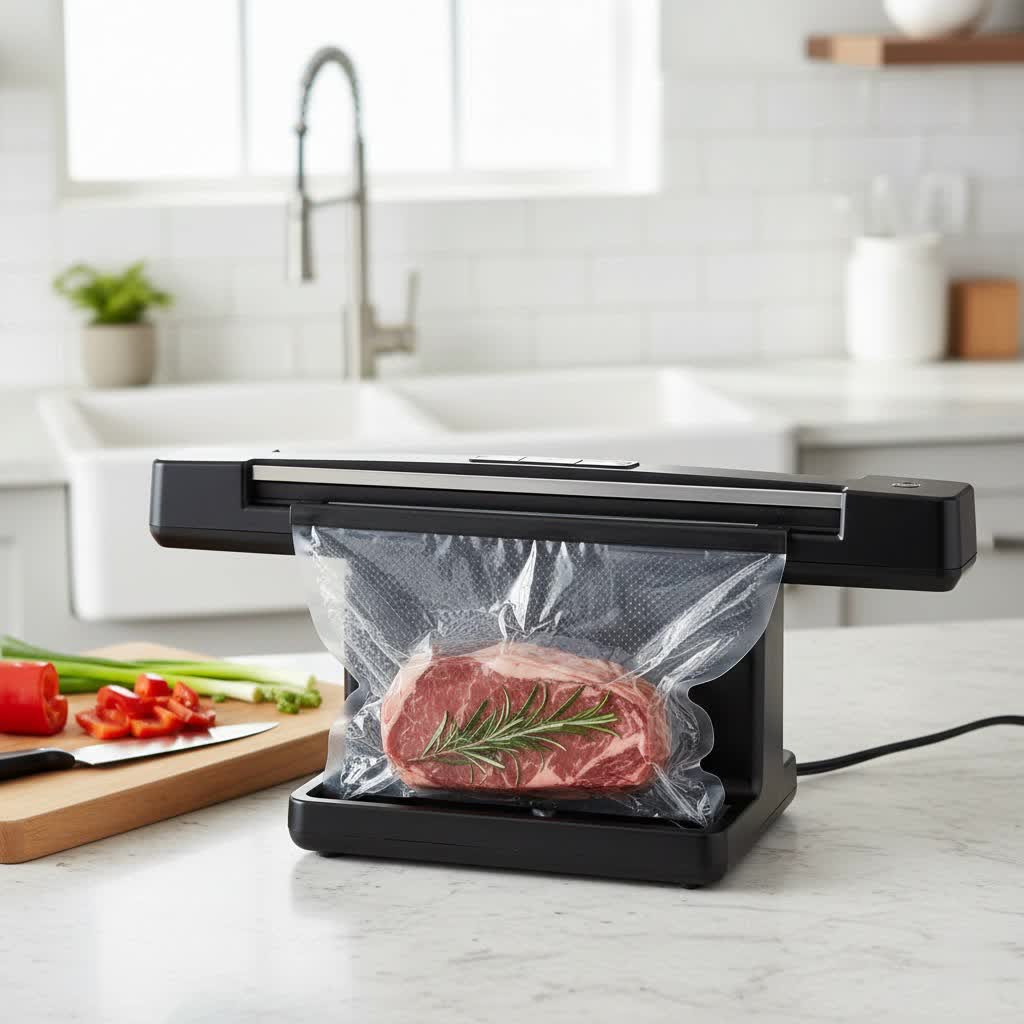
Preserving food for the long term is a critical aspect of home management, emergency preparedness, and even gourmet cooking. While many methods exist, vacuum sealing food in Mylar bags stands out as a superior technique for extending shelf life and safeguarding contents. This guide delves into the world of vacuum sealers best suited for Mylar bags in 2026, offering insights from years of hands-on experience to help you make the smartest choice for your preservation needs.
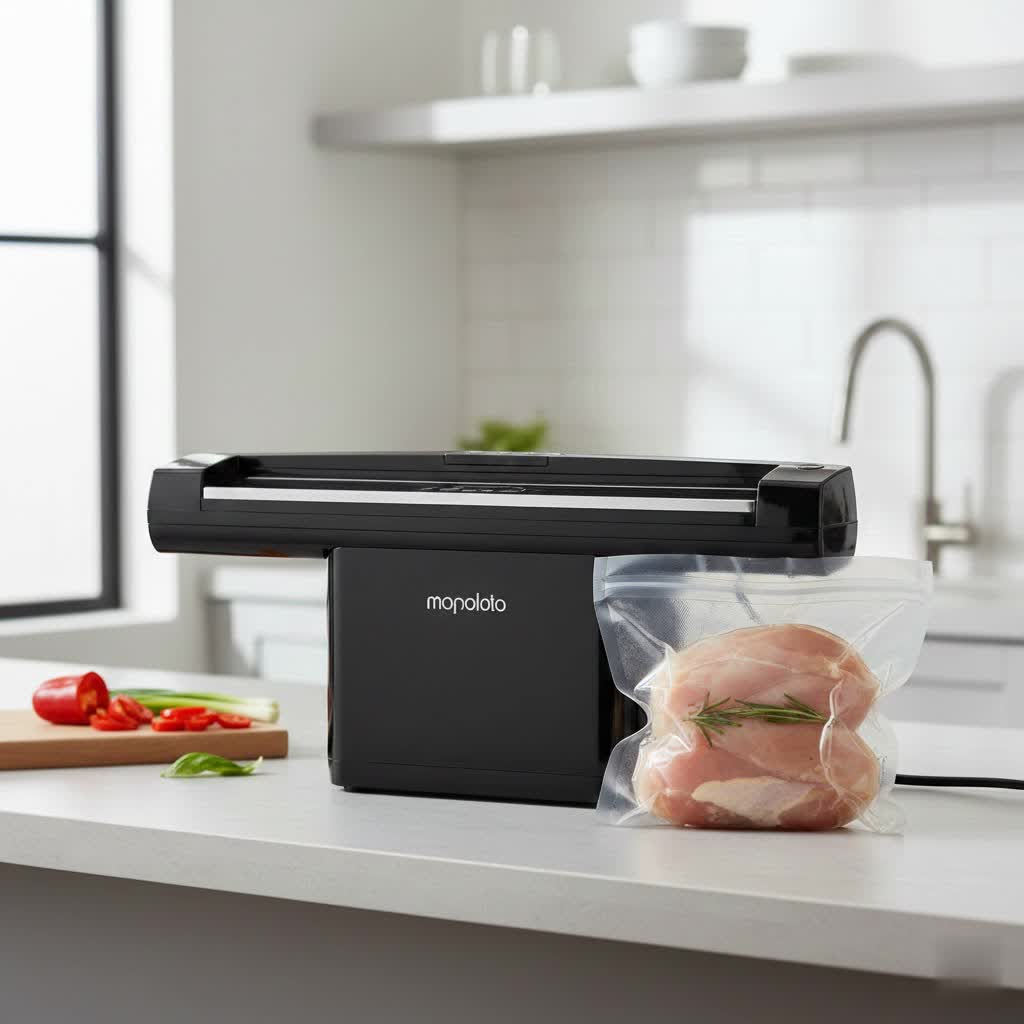
What is a Vacuum Sealer and Why is it Essential for Mylar Bags?
A vacuum sealer is an appliance designed to remove air from a bag or container before sealing it shut. This process creates a low-oxygen environment, dramatically slowing down spoilage. While standard vacuum sealers are highly effective for everyday food storage in specialized textured plastic bags, Mylar bags introduce a unique set of considerations. Mylar, a robust polyester film often laminated with aluminum, provides an exceptional barrier against light, moisture, and oxygen—up to 4,500% better than typical plastic alternatives. This makes Mylar bags ideal for protecting food from degradation, light damage, and pests over extended periods.
However, the very properties that make Mylar bags superior can also pose a challenge for conventional vacuum sealers. Smooth Mylar bags, lacking the internal channels found in textured vacuum sealer bags, often prevent suction-type machines from effectively removing air. This crucial distinction means that choosing the right vacuum sealer for Mylar bags requires specific knowledge to ensure an airtight, reliable seal.
The Unmatched Benefits of Vacuum Sealing Mylar Bags
Integrating a quality vacuum sealer with Mylar bags offers a multitude of advantages, transforming how you approach food preservation.
Superior Food Preservation and Extended Shelf Life
Table is empty.The primary benefit of vacuum sealing in Mylar is the significant extension of food shelf life. By extracting oxygen and sealing contents in a light-blocking, moisture-resistant barrier, foods can remain fresh and safe for years, far surpassing the longevity offered by conventional storage methods. For instance, vacuum-sealed meats can last up to three years in a freezer, retaining their quality and taste.
Protection Against Oxygen, Moisture, and Pests
Mylar bags, when properly sealed, create an impenetrable fortress around your food. They act as a powerful shield against the three main culprits of food spoilage: oxygen, moisture, and pests. This protection is vital for dry goods like grains, pasta, and dehydrated foods, preventing oxidation, mold growth, and insect infestation that can compromise safety and edibility.
Retaining Nutritional Value and Flavor
One of the often-overlooked advantages of vacuum sealing is its ability to lock in the original flavor, aroma, and nutritional content of your food. Without exposure to air, delicate flavors don’t dissipate, and essential vitamins and minerals are better preserved. This means your stored food will taste as good as new, even after extended periods.
Space Optimization and Organization
Vacuum sealing removes excess air, which significantly reduces the volume of stored food. This compression allows for more efficient use of pantry, freezer, or storage space. Additionally, uniform, sealed packages are easier to stack and organize, contributing to a tidier and more accessible storage system.
Versatile Applications Beyond Food
While food preservation is the main focus, vacuum sealers and Mylar bags have diverse applications. They can be used to protect important documents, store valuable electronics from moisture and corrosion, preserve seeds, safeguard ammunition, or even compact clothing for travel or long-term storage, keeping items dry and free from environmental damage.
Understanding Vacuum Sealer Types for Mylar Bag Compatibility
The world of vacuum sealers offers different technologies, and understanding these is paramount when dealing with Mylar bags.
External (Suction) Vacuum Sealers: The Right Mylar Bags are Key
External vacuum sealers, commonly known as FoodSaver-style machines, operate by placing the open end of a bag into a vacuum channel where air is sucked out before a heat bar creates a seal. These are generally affordable and compact, making them popular for home use.
However, a critical point for Mylar bags is compatibility. Standard smooth Mylar bags are generally not recommended for these machines because they lack the internal channels necessary for air to be effectively extracted. Without these channels, the bag walls seal against each other prematurely, trapping air inside. To overcome this, embossed or textured Mylar bags, such as SteelPak, are essential. These bags feature a patterned surface that creates pathways for air to be removed, ensuring a strong, airtight seal.
If you only have smooth Mylar bags and an external sealer, you can employ some “hacks” to create air channels. This might involve inserting a textured strip from a regular vacuum sealer bag, a straw, a zip tie, or mesh into the Mylar bag during the vacuuming process to facilitate air extraction. Alternatively, you can use a hair straightener or flat iron for heat sealing in conjunction with oxygen absorbers, though this doesn’t offer the same level of vacuum.
Chamber Vacuum Sealers: The Mylar Bag Champion
For those serious about Mylar bag preservation, chamber vacuum sealers are the undisputed champions. Unlike external sealers, chamber models remove air from the entire chamber, which encloses both the food item and the Mylar bag. This method allows them to effectively seal any type of Mylar bag—smooth or embossed—without issue, as the air pressure is equalized inside and outside the bag before sealing.
Chamber sealers offer superior vacuum strength and reliability, especially for liquids, marinades, or delicate items that might get crushed by the intense suction of an external sealer. The main disadvantages are their higher cost and larger footprint, often making them a greater investment suitable for serious home preppers or commercial use.
Handheld Sealers and Impulse Sealers: Niche Mylar Solutions
Handheld vacuum sealers are typically used for quick, temporary storage with specialized zipper bags and usually do not provide the deep vacuum required for long-term Mylar bag storage. While convenient, their limited suction power often falls short for robust Mylar applications.
Impulse heat sealers, on the other hand, are designed specifically for creating a strong heat seal on various bag types, including Mylar. While they don’t remove air, they are perfect for sealing Mylar bags after air has been removed (e.g., manually or with oxygen absorbers). Some brands like HeiGuno offer impulse heat sealers that are compact and reliable for Mylar. [cite: 3 (search result)] However, for a true vacuum seal, they must be combined with an air removal method.
Best Vacuum Sealers for Resealing Mylar Bags in 2026: Top Picks
When selecting a vacuum sealer for Mylar bags, consider the type of Mylar you’ll use and your budget. Here are some of the top contenders for 2026:
Best Overall External Sealer (with compatible Mylar): Nesco Deluxe VS-12
The Nesco Deluxe VS-12 is consistently praised for its powerful suction and reliability among external sealers. It boasts twin vacuum pumps that deliver 25.1 inHg of vacuum power, outperforming many competitors at its price point. While primarily designed for roll bags, its robust sealing capabilities, including a double heat seal option and three sealing modes (dry, moist, and double), make it suitable for embossed Mylar bags when handled carefully. [cite: 3 (search result), 5] It also features integrated bag storage and a cutter for convenience.
Best Budget External Sealer (with compatible Mylar): Megawise Compact Vacuum Sealer
For those on a tighter budget or with limited space, the Megawise Compact Vacuum Sealer offers surprising performance. It provides 23.6 inHg of suction power and is highly portable. While it may lack some of the premium features of higher-end models, it’s an excellent entry-level option for preserving food in compatible embossed Mylar bags. Its versatility and compact size make it easy to store away when not in use.
Best Chamber Sealer for Mylar Bags: Avid Armor USVX Chamber Vacuum Sealer
For unparalleled performance with all types of Mylar bags, the Avid Armor USVX is a top choice. This commercial-grade chamber sealer offers impressive vacuum power at 28.9 inHg and features an oilless pump for easy maintenance. Its adjustable heat bar ensures perfect seals on even thicker Mylar bags, making it ideal for long-term storage. The intuitive presets, marination function, and viewing lid add to its user-friendly design. The Anova Precision Chamber Vacuum Sealer is another highly-regarded chamber option, offering professional-grade sealing for ultimate freshness. [cite: 1 (search result)]
Other Notable Mentions:
- FoodSaver V4400: A popular external sealer, the FoodSaver V4400 is specifically noted for its compatibility with Mylar bags (implying embossed types). It provides a reliable seal and keeps food fresh for extended periods. [cite: 2 (search result)]
- GERYON Vacuum Sealer Machine: Often highlighted as a budget-friendly option, GERYON sealers are versatile and can work with Mylar bags, particularly the embossed variety. [cite: 1 (search result), 2 (search result)]
- NutriChef and Entrige Sealers: These brands also offer external vacuum sealers that users have found effective for Mylar bags, likely when using textured bags. [cite: 2 (search result)]
Choosing the Perfect Vacuum Sealer for Your Mylar Bag Needs (Buying Guide)
Selecting the right vacuum sealer involves more than just picking a popular model. Consider these factors to align your choice with your specific preservation goals.
Assess Your Storage Volume and Frequency
How much food do you plan to seal, and how often? For occasional use and smaller batches, an external sealer with embossed Mylar bags might suffice. For large-scale preservation, bulk buying, or frequent use, a chamber sealer offers superior efficiency and durability. Your capacity needs will dictate the size and power of the machine you require.
Consider Mylar Bag Type: Smooth vs. Embossed
This is a critical decision. If you prefer the wider availability and sometimes lower cost of smooth Mylar bags, a chamber vacuum sealer is your best bet for consistent, reliable results. If you opt for an external sealer, you must invest in embossed or textured Mylar bags to ensure proper air extraction and sealing.
Evaluate Suction Power and Seal Quality
Suction power, often measured in inches of mercury (inHg), indicates how thoroughly a machine can remove air. Higher values generally lead to tighter, more effective seals. Look for machines with strong pumps (above 25 inHg for external sealers, higher for chamber models) and features like a double heat seal option for extra security on Mylar bags. [cite: 3 (search result), 5] A robust, consistent seal is crucial for long-term storage.
Essential Features and Accessories
Modern vacuum sealers come with various features that enhance usability:
- Built-in Bag Storage and Cutter: Convenient for creating custom-sized bags from rolls.
- Moist/Dry Food Settings: Optimizes sealing for different food textures.
- Pulse Vacuum Function: Allows manual control over suction, preventing crushing delicate items.
- Accessory Port: Enables sealing external containers or canisters.
- Adjustable Heat Settings: Important for achieving perfect seals on varying Mylar bag thicknesses.
Budget and Brand Reputation
Vacuum sealers range widely in price. Determine your budget but remember that investing in a higher-quality machine can prevent spoilage and save money in the long run. Research reputable brands known for their durability and customer support. Checking user reviews for consistency and reliability is also a smart move.
Step-by-Step: How to Effectively Vacuum Seal Mylar Bags
Achieving a perfect, lasting seal on Mylar bags is a straightforward process when you follow these steps.
Preparation is Key: Bags, Food, and Oxygen Absorbers
First, ensure your Mylar bags are clean, dry, and free of any holes or defects. [cite: 3 (search result)] Choose the appropriate size, leaving enough headspace at the top for sealing—typically 2-3 inches. Fill the bags with your chosen food items, being careful not to overfill, as this can hinder sealing. For long-term storage, always include the correct size and number of oxygen absorbers to eliminate any residual oxygen that the vacuum process might miss. [cite: 1, 3 (search result)]
Proper Bag Placement and Sealing Techniques
For external sealers, lay the filled, open Mylar bag flat in the vacuum channel, ensuring no wrinkles or food particles are along the sealing area. For smooth Mylar bags with an external sealer, remember to insert a textured strip or straw to create an air channel. Close the lid and activate the vacuum and seal function. If using a chamber sealer, simply place the bag inside the chamber with the opening over the seal bar, close the lid, and initiate the cycle. For thicker Mylar, consider a double seal to ensure maximum integrity.
Ensuring an Airtight Seal
After the sealing process is complete, carefully remove the bag and inspect the seal. It should be smooth, straight, and airtight, without any gaps, crinkles, or unsealed spots. If you notice any imperfections, re-seal the bag or use a new one. A few days after sealing, check the bags again; they should appear noticeably compressed, indicating the oxygen absorbers are working and the seal is holding. [cite: 3 (search result)]
Post-Sealing Care and Storage
Once sealed, label each Mylar bag clearly with its contents and the date of sealing. This helps with inventory management and ensures you use items before their optimal expiration. Store your sealed Mylar bags in a cool, dark, and dry place, ideally below 85 degrees Fahrenheit, to maximize their shelf life. [cite: 3 (search result)]
Maximizing Mylar Bag Preservation: Advanced Tips and Troubleshooting
Even with the best equipment, a few expert tips can elevate your preservation game and help you avoid common pitfalls.
The Critical Role of Oxygen Absorbers
Never skip oxygen absorbers for long-term Mylar storage. While vacuum sealing removes most air, oxygen absorbers scavenge the remaining oxygen, creating an even more stable, anaerobic environment. This is vital for preventing oxidative spoilage, rancidity in fats, and inhibiting the growth of aerobic bacteria and insects. Choose absorber sizes appropriate for your bag volume for optimal effectiveness. [cite: 1, 3 (search result)]
Preventing Common Sealing Failures
- Cleanliness: Always wipe the inside edges of the bag where the seal will form, especially when sealing powdery substances like flour, to prevent particles from interfering with the seal. [cite: 3 (search result)]
- Moisture: For wet or moist foods, consider pre-freezing them into solid blocks before vacuum sealing in Mylar. This prevents liquids from being drawn into the sealer, which can compromise the seal. Many modern sealers also offer a “moist” setting.
- Wrinkles: Ensure the bag is perfectly flat and smooth across the sealing bar. Even small wrinkles can lead to an incomplete seal.
Storing Sealed Mylar Bags for Optimal Longevity
Beyond temperature, consider stacking sealed Mylar bags neatly to prevent punctures or damage. Placing them in sturdy containers or bins can offer an extra layer of protection against rodents and physical damage, further extending their shelf life.
Creative Uses for Vacuum Sealed Mylar
Beyond dry goods, Mylar bags can be vacuum-sealed for other preparedness items. Store first-aid supplies, emergency documents, matches, or tinder in Mylar to protect them from moisture and environmental degradation. The airtight seal prevents odors from escaping, which can be useful for scent control in outdoor activities.
Conclusion
Choosing the best vacuum sealer for resealing Mylar bags in 2026 is a strategic investment in your food security and preparedness. Whether you opt for a versatile external sealer paired with embossed Mylar bags or the professional-grade performance of a chamber vacuum sealer, understanding the nuances of Mylar compatibility is key. By selecting the right equipment and adhering to proper sealing techniques, you can confidently preserve your valuable provisions, ensuring freshness, nutrition, and peace of mind for years to come. What will you vacuum seal first to safeguard your future?
Frequently Asked Questions
Can I use any Mylar bag with any vacuum sealer?
No, not every Mylar bag works with every vacuum sealer. Smooth Mylar bags generally require a chamber vacuum sealer. If you have an external (suction-type) Vacuum Sealer, you must use embossed or textured Mylar bags that have channels for air extraction.
What is the difference between an external sealer and a chamber sealer for Mylar?
An external sealer removes air from inside the bag while it’s outside the machine. A chamber sealer removes air from the entire chamber, which contains the bag, allowing it to seal any type of Mylar bag effectively, including smooth ones. Chamber sealers are typically more expensive and larger.
Are oxygen absorbers always necessary with vacuum-sealed Mylar bags?
Yes, oxygen absorbers are highly recommended, especially for long-term food storage. While vacuum sealing removes most air, oxygen absorbers eliminate any residual oxygen, significantly enhancing preservation by preventing oxidation and inhibiting microbial growth. [cite: 1, 3 (search result)]
How long can food last in vacuum-sealed Mylar bags?
The shelf life varies depending on the food type and storage conditions, but vacuum-sealed Mylar bags can extend freshness dramatically, often for many years. Dry goods like rice or beans can last 20-30 years or more, while properly prepared meats can last several years in the freezer.
What should I do if my Mylar bag loses its vacuum seal?
If a Mylar bag loses its vacuum seal, it indicates a compromised seal or a puncture. Inspect the bag for holes or faulty seals. If salvageable, remove the contents, add fresh oxygen absorbers if needed, and re-seal using a new Mylar bag or by cutting below the original seal if there’s enough material.