Imagine a pantry where every grain of rice, every bean, and every strand of pasta remains as fresh as the day you bought it, protected from spoilage and pests for years to come. In a world where food waste is a growing concern and self-sufficiency is increasingly valued, mastering the art of vacuum sealing dry goods is not just a skill – it’s a game-changer. Whether you’re a seasoned prepper, a savvy home chef, or simply looking to extend the life of your bulk purchases, understanding how to properly vacuum seal staples like rice, beans, and pasta can save you money, space, and a world of worry. This comprehensive guide will walk you through the why and how, ensuring your dry goods are perfectly preserved for whenever you need them.
What is a Vacuum Sealer?
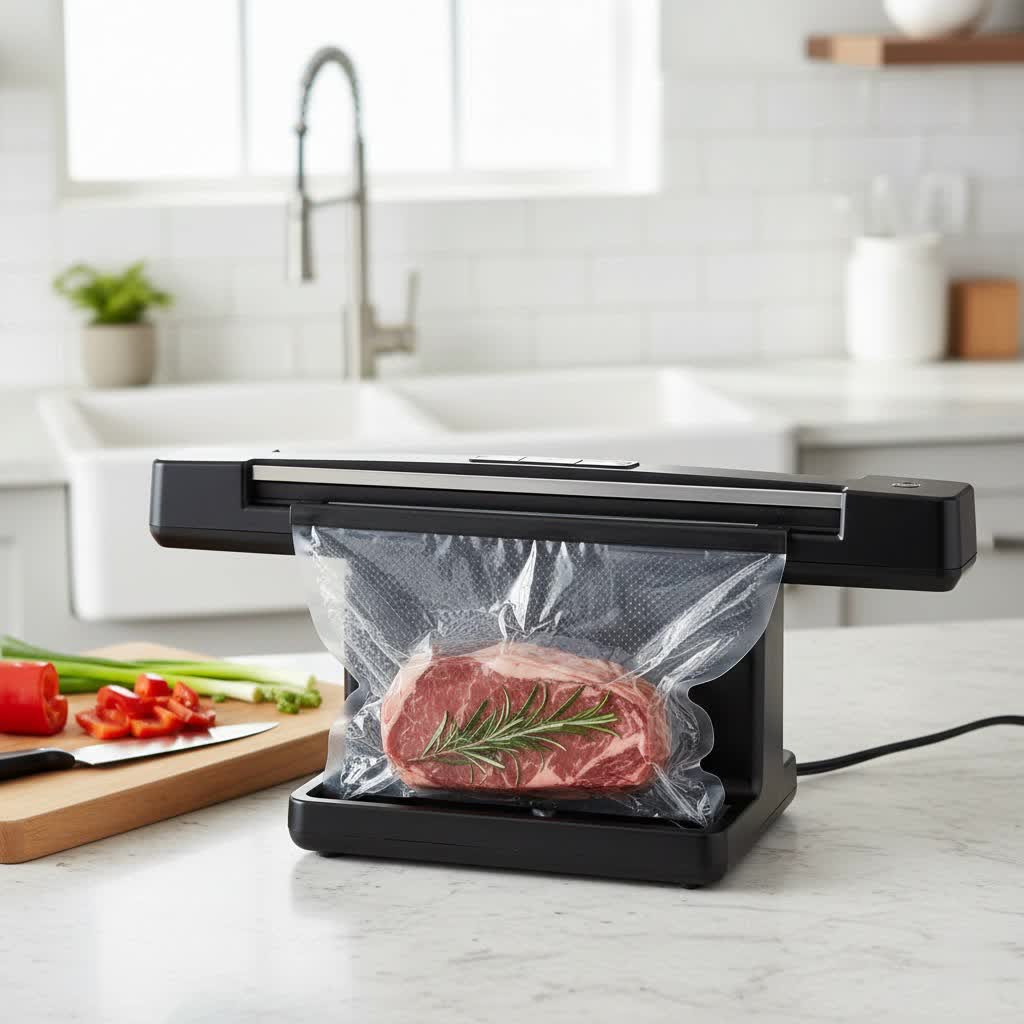
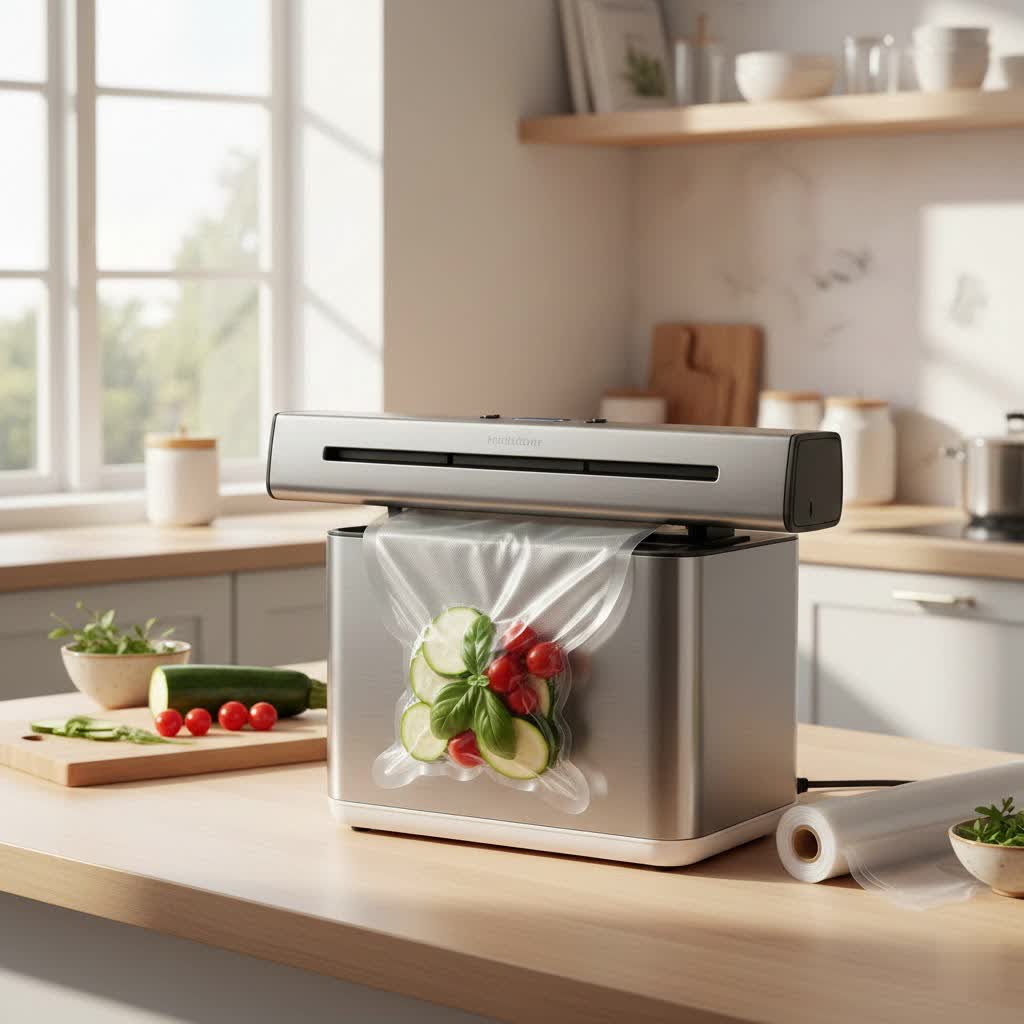
At its core, a vacuum sealer is a kitchen appliance designed to remove air from a package, creating an airtight environment. This process, known as vacuum sealing, involves placing food items into a special bag or container, then using the machine to extract most of the oxygen before heat-sealing it shut. The principle is simple yet powerful: oxygen is the primary culprit behind food spoilage, facilitating the growth of bacteria, mold, and yeast, and causing oxidation that degrades flavor and nutritional value. By removing 95% to 100% of the oxygen, vacuum sealing dramatically slows down these detrimental processes, extending the shelf life of your food. While vacuum sealing is a potent storage method, it’s important to remember that it’s a form of preservation, not sterilization, meaning proper food handling and storage temperatures still play a crucial role.
Benefits of Vacuum Sealing Dry Goods
The advantages of vacuum sealing extend far beyond just keeping food fresh. For dry goods like rice, beans, and pasta, the benefits are particularly significant, transforming your approach to pantry management and food security.
Extend Shelf Life Significantly
|
Our Picks for the Best Vacuum sealer in 2026
As an Amazon Associate I earn from qualifying purchases.
|
||
| Num | Product | Action |
|---|---|---|
| 1 | 95Kpa Precision Pro Vacuum Sealer, with Double Heat Seal & Dual-Pump for Dry/Moist Food, 2X Strength, Food Vacuum Sealer Machine with Easy-Lock Handle, Built-in Cutter & Bag Storage, Stainless Steel |

|
| 2 | Gasbye 95kPa Precision Vacuum Sealer Machine, Double Heat Seal for Dry/Moist Food, Easy-Lock Handle, Built-in Bag Storage & Cutter, Progress Display, Pulse Mode, Removable Drip Tray, Silver |
|
| 3 | Food Vacuum Sealer Machine, 95KPa Powerful Food Saver with Dry/Moist/External Vacuum Modes, Built-in Cutter & Bag Storage, Single/Double Sealing, 1 Bag & 15 Pre-cut Bags |
|
| 4 | Vacuum Sealer Machine 95KPA Powerful Suction, 10s Fast Seal, Dry & Moist Modes, Compact Food Vacuum Sealer with 30 Bags Included, Automatic Food Saver for Meal Prep, Sous Vide & Kitchen Storage |
|
| 5 | MegaWise Vacuum Sealer Machine | 80kPa Suction Power| Bags and Cutter Included | Compact One-Touch Automatic Food Sealer with External Vacuum System | Dry Moist Fresh Modes for All Saving needs |
|
| 6 | Vacuum Sealer for Food, 95kPa Food Saver Vacuum Sealer Machine, 135W Fast-Sealing with Easy Tear Cutter, Built-in Bag Storage, 9-in-1 Compact Food Vacuum Sealer Machine with 10 ft Bag Roll |
|
| 7 | Bonsenkitchen Vacuum Sealer Machine, Globefish Technology for Perfect Vacuum Sealing, Powerful Low-Noise Food Vacuum Sealer with Easy Handle Design, Built-in Cutter & Bag Storage, 1 Bag Roll & 10 Bags |
|
| 8 | Bonsenkitchen Vacuum Sealer Machine | Compact Food Sealer for Kitchen Storage & Meal Prep | Multiple Modes | External Vacuum System | 5 Bags, Silver |
|
| 9 | Potane Precision Vacuum Machine,Pro Food Sealer with Built-in Cutter and Bag Storage(Up to 20 Feet Length), Both Auto&Manual Options,2 Modes,Includes 2 Bag Rolls 11”x16’ and 8”x16’,Compact Design |
|
| 10 | Vacuum Sealer Machine 75KPa Food with 6-in-1 Dry/Moist Modes & Digital Timer, Compact Lightweight Design, Built-in Cutter + 10 Bags (Black Silver) |
|
Vacuum sealing can dramatically prolong the usability of dry goods. While traditionally stored rice or beans might last a year or two, vacuum-sealed varieties can remain viable for 5, 10, or even up to 30 years or more under ideal conditions. Pasta, too, sees its shelf life extended from a couple of years to many more, ensuring your staples are ready when you are. This extended longevity makes bulk purchasing economical and contributes to household resilience.
Prevent Pest Infestations
One of the most frustrating aspects of storing dry goods is the constant battle against pantry pests like weevils, moths, and other insects. Vacuum sealing creates an impenetrable barrier, denying these unwelcome guests access to your food. For an extra layer of protection, some experts recommend pre-freezing dry goods for a few days to kill any latent insect eggs before sealing.
Preserve Nutritional Value and Flavor
Exposure to air leads to oxidation, which can diminish the nutritional content and alter the flavor of food over time. By eliminating oxygen, vacuum sealing helps maintain the original taste, texture, and essential nutrients of your rice, beans, and pasta. This means that even after years in storage, your meals will still offer the quality and sustenance you expect.
Optimize Storage Space
Vacuum-sealed bags are compact, removing excess air and allowing for more efficient stacking and storage in your pantry, freezer, or emergency food supply. This space-saving benefit is particularly valuable when buying in bulk, as it allows you to store larger quantities without overcrowding your storage areas.
Reduce Food Waste
With extended shelf life and protection from spoilage and pests, vacuum sealing significantly reduces the likelihood of having to throw out perfectly good food. This not only saves money but also contributes to a more sustainable household by minimizing waste.
Types of Vacuum Sealers for Dry Goods
Choosing the right vacuum sealer depends on your specific needs, volume of food, and budget. There are several primary types, each with its own advantages for preserving dry goods.
External Vacuum Sealers (Bags)
These are the most common type for home use. External sealers work by clamping onto the open end of a textured vacuum sealer bag, drawing air out, and then heat-sealing the bag shut. They are generally affordable, easy to use, and effective for sealing most dry goods in bags. Many models also offer a “dry” setting or a “pulse” function, allowing for greater control over suction to prevent crushing delicate items.
Chamber Vacuum Sealers (Advanced)
Chamber sealers are typically more expensive and larger, often found in commercial kitchens, but some compact models are available for home use. With a chamber sealer, the entire bag is placed inside a chamber, which then evacuates all the air from within the chamber. This process means there’s no pressure differential on the bag itself, making them excellent for sealing liquids or delicate items without crushing. For dry goods, they offer superior, consistent seals and can be used with smooth (less expensive) bags.
Handheld & Jar Sealers (Versatility)
Handheld vacuum sealers are compact and cordless, designed for quick, light-duty sealing of specific resealable bags or containers with a vacuum port. They are convenient for daily use but generally less powerful than external or chamber sealers for long-term storage of bulk dry goods. Many external vacuum sealers also come with accessory ports and attachments specifically designed for sealing mason jars. Jar sealing is an excellent, plastic-free option for storing dry goods like rice, beans, and pasta, providing a rigid container that protects against crushing.
Guide to Vacuum Sealing Rice, Beans, and Pasta
Proper technique is crucial for successful long-term storage. Here’s how to effectively vacuum seal your rice, beans, and pasta.
Preparing Your Dry Goods
Before sealing, ensure your dry goods are truly dry and cool. Any moisture can lead to mold or bacterial growth, even in a vacuum-sealed environment.
- Cleanliness: Ensure the goods are free from dust, debris, or any foreign particles.
- Pre-Freezing (Optional but Recommended): For an added layer of pest prevention, consider placing rice and beans in the freezer for about 48-72 hours before vacuum sealing. This kills any insect eggs or larvae that might be present. Allow them to return to room temperature before sealing to prevent condensation.
Vacuum Sealing Rice & Beans
Rice and beans are generally straightforward to vacuum seal in bags.
- Portioning: Decide on appropriate portion sizes for your bags. Gallon-sized bags might hold around 4 pounds of rice, while quart-sized bags are good for 2 pounds of beans. Flattening the contents within the bag before sealing helps with stacking and storage.
- Leaving Space: Always leave ample space at the top of the bag – ideally 3-4 inches (7-10 cm) – between the food and the seal line. This prevents food particles from interfering with the seal and gives the machine enough room to work.
- Clean Sealing Area: Before sealing, wipe the inside of the bag’s opening thoroughly with a clean, dry cloth to remove any dust or starch. Residue can prevent an airtight seal.
- Sealing: Place the open end of the bag into your vacuum sealer according to the manufacturer’s instructions. Choose the “dry” setting if your machine has one, or use a “pulse” function for better control to prevent crushing more delicate beans. Once sealed, check for a firm, airtight seal.
Vacuum Sealing Pasta
Pasta, especially varieties with sharp edges like penne, rotini, or lasagna, presents a unique challenge: it can puncture the vacuum seal bag once the air is removed and the bag tightens around it.
- The “Paper Bag” Trick: To prevent punctures, place your pasta inside a brown paper bag (like a small lunch bag or a cut-down grocery bag) before putting it into the vacuum seal bag. This inner paper layer acts as a buffer, protecting the outer plastic from sharp edges.
- Avoid Filled Pasta: Do not vacuum seal fresh, filled pasta like ravioli or tortellini, as they will likely be squashed and damaged by the vacuum process.
- Portion and Seal: As with rice and beans, portion your pasta, leave sufficient space at the top of the outer vacuum bag, and ensure the sealing area is clean before processing.
General Best Practices
- Labeling: Always label your vacuum-sealed packages with the contents and the date of sealing. This helps with inventory management and ensures you use older stock first.
- Storage Environment: Store vacuum-sealed dry goods in a cool, dark, and dry place. Consistent temperatures and protection from light will maximize their shelf life.
- Inspection: Periodically check your stored items. If a bag loses its vacuum, it means air has re-entered. Repack and reseal if possible, or use the contents promptly.
Buying Guide: Choosing Your Ideal Vacuum Sealer
Selecting the right vacuum sealer can feel daunting with so many options available. Consider these factors to find the best fit for your dry goods storage needs.
Assess Your Needs
- Volume: How much food do you plan to seal? If you’re doing large batches of bulk grains, a robust external sealer or even a chamber sealer might be worth the investment. For occasional sealing, a simpler external or handheld model could suffice.
- Frequency: Will you use it weekly, monthly, or only a few times a year? Frequent users will benefit from more durable, feature-rich machines.
- Food Types: While this guide focuses on dry goods, consider if you’ll also be sealing moist foods, meats, or liquids. Machines with “moist” settings or drip trays are better for these.
Key Features to Consider
- Suction Power: Look for models with strong vacuum pumps to ensure maximum air removal.
- Sealing Options: A “dry” setting or “pulse” function is highly beneficial for delicate dry goods like pasta, allowing you to control the vacuum level.
- Bag Compatibility: Ensure the machine works with readily available and affordable vacuum sealer bags. Some proprietary bags can be more expensive.
- Durability and Build Quality: A sturdy machine with quality components will last longer, especially with frequent use.
- Ease of Use and Cleaning: Look for intuitive controls and easy-to-clean components like removable drip trays.
Reputable Brands
Many brands offer reliable vacuum sealers. Some popular names known for quality include FoodSaver (a widely recognized brand for external sealers and accessories), Nesco, and Anova (which offers both external and chamber models). Reading user reviews and expert comparisons can help you narrow down your choices based on your specific requirements.
Maintenance and Troubleshooting Your Vacuum Sealer
Like any appliance, a vacuum sealer requires proper care to function optimally. Knowing how to maintain it and troubleshoot common issues will save you time and frustration.
Regular Cleaning and Care
- Clean the Sealing Strip: Food particles or moisture on the sealing strip can prevent a proper seal. Wipe it clean after each use.
- Inspect and Clean Gaskets: The rubber gaskets around the vacuum chamber are crucial for creating a tight seal. Inspect them for cracks, debris, or flattening. Clean them with a damp cloth and replace them if they appear worn or damaged.
- Empty Drip Tray: If your sealer has a drip tray (common for moist foods), empty and clean it regularly to prevent odors and bacterial growth.
Common Issues and Solutions
- Air Leaks After Sealing:
- Cause: A wrinkle in the bag, food particles in the seal, a small puncture, or insufficient space left at the top.
- Solution: Ensure the bag is smooth and clean in the sealing area, leave 3-4 inches of space, and double-check for punctures. For sharp pasta, use the paper bag trick. Consider double-sealing (creating two parallel seals) for extra security.
- Machine Not Vacuuming Properly:
- Cause: Bag misalignment, worn gaskets, or the lid not being fully latched.
- Solution: Reposition the bag, check/clean/replace gaskets, and ensure the lid is securely closed with an audible “click.”
- Powders Getting Sucked into the Machine:
- Cause: When sealing fine powders like flour or powdered sugar, tiny particles can be drawn into the vacuum pump, causing damage.
- Solution: When sealing powders in jars, place a coffee filter or a small piece of paper towel over the top of the powder before applying the jar sealer. This acts as a barrier without impeding the vacuum.
Expert Tips for Maximizing Dry Goods Storage
To truly master the art of long-term dry goods preservation, consider these advanced tips.
Combine with Oxygen Absorbers
While vacuum sealing removes most air, it doesn’t eliminate 100% of the oxygen, especially embedded within porous foods. For ultra-long-term storage (e.g., 20+ years) of dry goods like rice and beans, consider adding oxygen absorbers to your vacuum-sealed bags or jars. These small packets scavenge the remaining oxygen, creating an even more anaerobic environment, further inhibiting spoilage and insect activity.
Optimal Storage Environment
Even perfectly sealed goods benefit from ideal storage conditions. Keep your vacuum-sealed dry goods in a location that is:
- Cool: Consistent temperatures below 75°F (24°C) are best.
- Dark: Light can degrade food quality and packaging over time.
- Dry: While sealed, excessive humidity can still affect exterior packaging.
Batch Sealing and Rotation (FIFO)
When stocking up, it’s efficient to process dry goods in batches. Once sealed and labeled, implement a “First-In, First-Out” (FIFO) system. Place newer items at the back and older items at the front, ensuring you consume the oldest stock first to prevent any potential waste, even with extended shelf lives.
Conclusion
Vacuum sealing rice, beans, and pasta is a simple yet powerful method to safeguard your pantry staples, significantly extending their shelf life, protecting them from pests, and preserving their quality. From the basic mechanics of how a vacuum sealer works to specialized techniques for delicate pasta and troubleshooting common issues, you now have the knowledge to transform your approach to food storage. Embracing vacuum sealing empowers you to save money, reduce waste, and build a resilient food supply for the future. Are you ready to unlock the full potential of your pantry and secure your food for years to come?
Frequently Asked Questions
Can you vacuum seal cooked rice or pasta?
Yes, you can vacuum seal cooked rice or pasta, but the process and storage differ from dry goods. Cooked foods contain moisture and are perishable, so they must be refrigerated or frozen immediately after sealing. Vacuum sealing extends their freshness in the fridge for a few days or protects them from freezer burn for several months, making them ideal for meal prepping.
How long do vacuum-sealed dry goods last?
Vacuum-sealed dry goods like rice, beans, and pasta can last significantly longer than conventionally stored items. While typically good for 1-2 years in their original packaging, vacuum sealing can extend their shelf life to 5-10 years, and some reports suggest up to 25-30 years or more under optimal, cool, dark, and dry storage conditions, especially when combined with oxygen absorbers.
Do I need oxygen absorbers if I vacuum seal?
For most home vacuum sealing of dry goods, oxygen absorbers are not strictly necessary as the vacuum sealer removes the vast majority of air. However, for maximum long-term storage (e.g., beyond 10-15 years) or for critical emergency food supplies, adding oxygen absorbers provides an extra layer of protection by scavenging any residual oxygen, creating a nearly oxygen-free environment and further deterring pests and spoilage.
Can I vacuum seal flour or powdered sugar?
Yes, you can vacuum seal flour or powdered sugar, but caution is needed to protect your vacuum sealer’s motor. Fine powders can be sucked into the machine’s pump, causing damage. To prevent this, place a barrier, such as a coffee filter or a small piece of paper towel, over the powder before applying the jar sealer attachment or sealing the bag. This allows air to be removed while keeping the fine particles out of the machine.