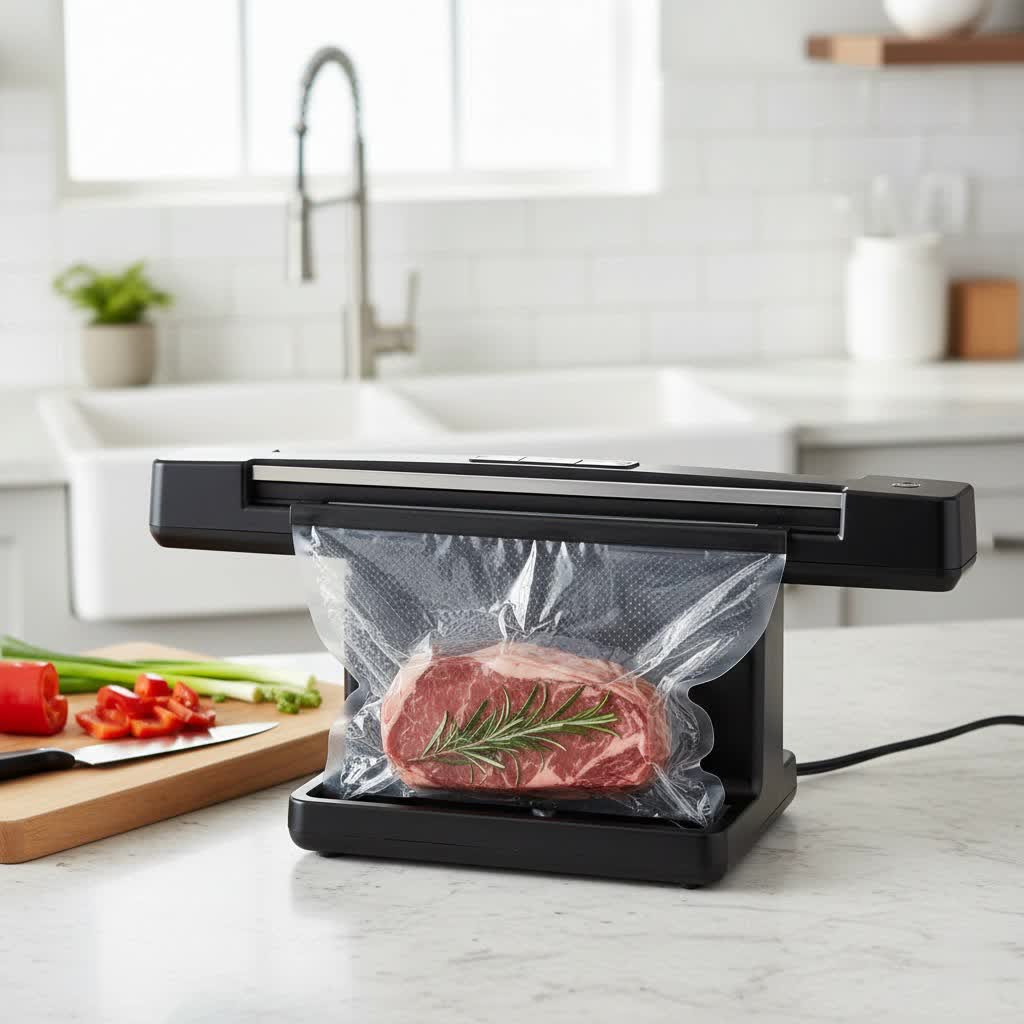
Are you a cheese enthusiast who loves to buy in bulk, but constantly battles with mold and spoilage? You’re not alone. Large blocks of cheese, while often more economical, pose a significant challenge for long-term freshness in a typical refrigerator. Fortunately, a vacuum sealer can be your most powerful ally in extending the life of your favorite cheeses, keeping them delicious and mold-free for months. This comprehensive guide will walk you through everything you need to know about preserving bulk cheese with a vacuum sealer, ensuring every slice is as perfect as the first.
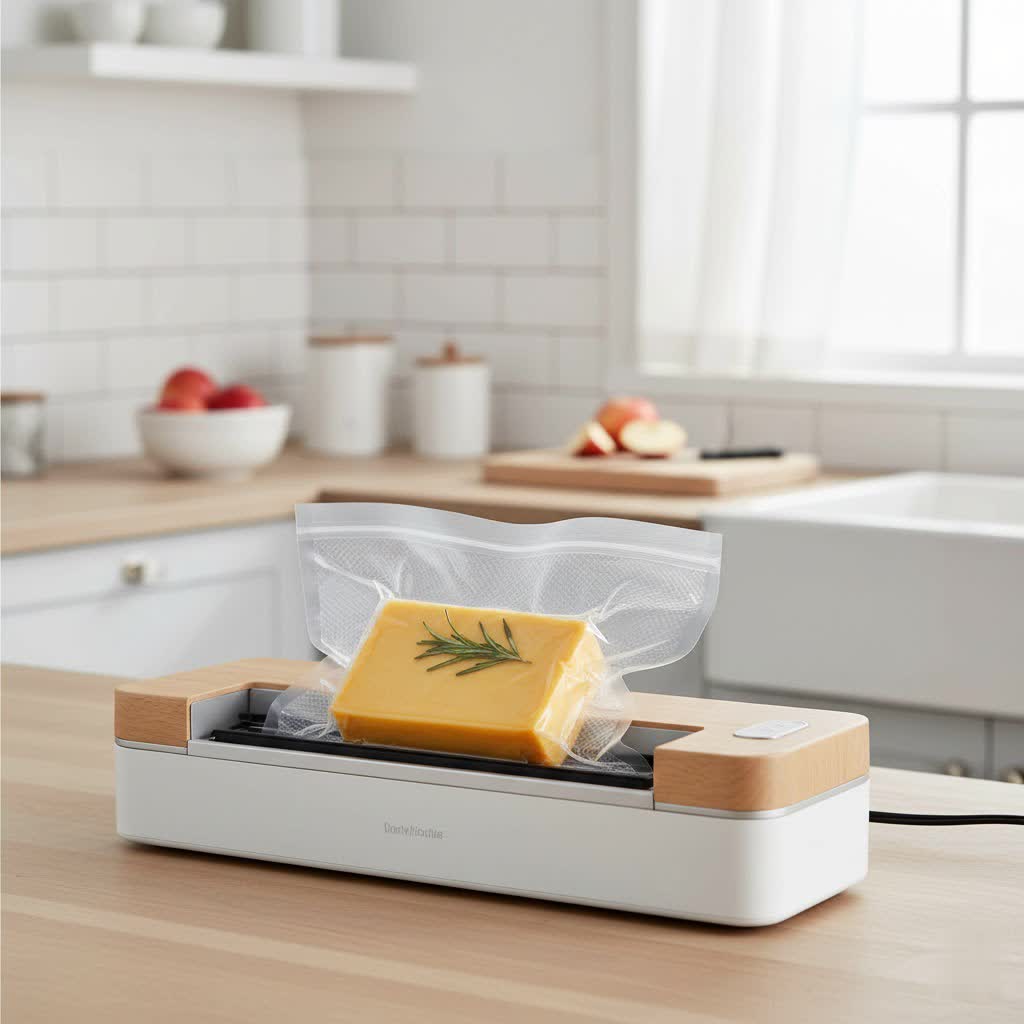
What is a Vacuum Sealer and How Does it Work?
A vacuum sealer is a kitchen appliance designed to remove air from a package before sealing it. This process creates a vacuum-sealed, airtight environment around your food. By eliminating oxygen, the primary catalyst for spoilage, vacuum sealers significantly slow down the growth of mold and aerobic bacteria that cause food to deteriorate. Essentially, it puts your cheese into a state of suspended animation, drastically extending its shelf life while preserving its inherent flavor, texture, and nutritional value. The technology works by drawing air out of a specially designed bag or container and then heat-sealing it shut, creating an impermeable barrier.
Benefits of Using a Vacuum Sealer for Cheese
Utilizing a vacuum sealer offers a multitude of advantages for cheese preservation, far beyond just preventing mold.
Extended Food Preservation
|
Our Picks for the Best Vacuum sealer in 2026
As an Amazon Associate I earn from qualifying purchases.
|
||
| Num | Product | Action |
|---|---|---|
| 1 | Vacuum Sealer Machine 95KPA Powerful Suction, 10s Fast Seal, Dry & Moist Modes, Compact Food Vacuum Sealer with 30 Bags Included, Automatic Food Saver for Meal Prep, Sous Vide & Kitchen Storage |

|
| 2 | Gasbye 95kPa Precision Vacuum Sealer Machine, Double Heat Seal for Dry/Moist Food, Easy-Lock Handle, Built-in Bag Storage & Cutter, Progress Display, Pulse Mode, Removable Drip Tray, Silver |
|
| 3 | MegaWise Vacuum Sealer Machine | 80kPa Suction Power| Bags and Cutter Included | Compact One-Touch Automatic Food Sealer with External Vacuum System | Dry Moist Fresh Modes for All Saving needs |
|
| 4 | Bonsenkitchen Vacuum Sealer Machine | Compact Food Sealer for Kitchen Storage & Meal Prep | Multiple Modes | External Vacuum System | 5 Bags, Silver |
|
| 5 | 95Kpa Precision Pro Vacuum Sealer, with Double Heat Seal & Dual-Pump for Dry/Moist Food, 2X Strength, Food Vacuum Sealer Machine with Easy-Lock Handle, Built-in Cutter & Bag Storage, Stainless Steel |
|
| 6 | Vacuum Sealer Machine 75KPa Food with 6-in-1 Dry/Moist Modes & Digital Timer, Compact Lightweight Design, Built-in Cutter + 10 Bags (Black Silver) |
|
| 7 | Food Vacuum Sealer Machine, 95KPa Powerful Food Saver with Dry/Moist/External Vacuum Modes, Built-in Cutter & Bag Storage, Single/Double Sealing, 1 Bag & 15 Pre-cut Bags |
|
| 8 | Bonsenkitchen Vacuum Sealer Machine, Globefish Technology for Perfect Vacuum Sealing, Powerful Low-Noise Food Vacuum Sealer with Easy Handle Design, Built-in Cutter & Bag Storage, 1 Bag Roll & 10 Bags |
|
| 9 | Potane Precision Vacuum Machine,Pro Food Sealer with Built-in Cutter and Bag Storage(Up to 20 Feet Length), Both Auto&Manual Options,2 Modes,Includes 2 Bag Rolls 11”x16’ and 8”x16’,Compact Design |
|
| 10 | Vacuum Sealer for Food, 95kPa Food Saver Vacuum Sealer Machine, 135W Fast-Sealing with Easy Tear Cutter, Built-in Bag Storage, 9-in-1 Compact Food Vacuum Sealer Machine with 10 ft Bag Roll |
|
The most immediate benefit is the dramatic increase in shelf life. Hard cheeses, for example, can last anywhere from 4 to 8 months when vacuum-sealed in the refrigerator, a stark contrast to the mere weeks they might last with conventional storage methods. This means less waste and more enjoyment from your bulk purchases.
Preventing Bacterial and Mold Growth
Oxygen is the enemy of fresh cheese, providing the perfect environment for mold spores and bacteria to thrive. By removing this oxygen, a vacuum sealer creates an anaerobic environment that significantly inhibits the growth of these undesirable microorganisms, keeping your cheese safe and pristine.
Maintaining Flavor and Nutrition
Beyond extending life, vacuum sealing locks in the cheese’s original aroma, flavor, and nutritional compounds. It prevents the cheese from absorbing odors from other foods in your refrigerator and protects it from drying out, ensuring that its rich, complex profile remains intact until you’re ready to enjoy it.
Space Efficiency
Vacuum-sealed cheese takes up less space than irregularly wrapped blocks or bulky containers. This compact storage helps you organize your refrigerator and freezer more effectively, making the most of your available storage area.
Versatility for Home and Business
Whether you’re a home cook stocking up your pantry or a small business owner looking to optimize inventory, vacuum sealers provide a reliable, efficient solution for preserving cheese. The ability to portion and seal cheese as needed also adds immense convenience.
Types of Vacuum Sealers
Vacuum sealers come in various forms, each suited for different needs and budgets. Understanding the distinctions can help you choose the best machine for your bulk cheese storage.
Home Vacuum Sealers (External Clamp)
These are the most common and affordable type, ideal for home use. They work by placing the open end of a specially designed bag onto a sealing bar, where the machine draws air out and then seals the bag.
- Pros: Generally compact, user-friendly, and cost-effective. Many offer “pulse” functions for delicate foods like soft cheese, allowing manual control over the vacuum pressure.
- Cons: Less powerful than commercial models, might struggle with very wet foods, and cycle times can be slower.
- Common Features: Dry/moist food settings, pulse vacuum, accessory port for containers, built-in bag cutter.
Commercial Vacuum Sealers (Chamber)
Chamber vacuum sealers are larger, more expensive units typically found in professional kitchens or for serious bulk storage. The entire bag is placed inside a chamber, which is then sealed to remove air before the bag itself is sealed.
- Pros: Extremely powerful, can handle liquids and very moist foods without issue, and provide a stronger, more consistent seal. They are excellent for continuous use.
- Cons: Much larger, heavier, and significantly more expensive, making them less practical for average home use.
- Specialized Features: Often include specialized programs for different food types, stronger motors, and more robust construction.
Handheld Vacuum Sealers
These compact, battery-operated devices are designed for quick seals of smaller bags or specific vacuum containers. While convenient for everyday leftovers, they are generally not powerful enough for bulk cheese storage.
Comparison Table: Popular Vacuum Sealer Models
Choosing the right vacuum sealer can be daunting. Here’s a comparison of some highly-rated models that are popular for their performance and features, particularly useful for cheese lovers.
| Model | Type | Price Range | Key Features | Best For |
|---|---|---|---|---|
| Anova Precision Sealer | External | Mid-Range | Compact, intuitive 3-button operation, pulse vacuum, double seal | Delicate foods (like soft cheese), sous vide |
| Nesco Deluxe Sealer | External | Mid-Range | Robust, reliable sealing, pulse function, double seal, excellent durability | General use, reliable performance |
| FoodSaver PowerVac | External | Mid-Range | Automatic bag detection, easy operation, good for moist foods | Everyday use, convenience |
| Bonsenkitchen VS2100 | External | Budget-Friendly | Pulse vac option, handles wet foods well, compact, good value | Budget-conscious, occasional use |
| Potane Precision Sealer | External | Mid-Range | One-hand operation, built-in cutter, powerful motor, two operating modes (auto/manual) | Overall performance, ease of use |
| GERYON Vacuum Sealer Machine | External | Budget-Friendly | Simple operation, effective for dry and moist foods, compact | Beginners, basic vacuum sealing needs |
| Avid Armor Ultra Series | Chamber | High-End | Professional-grade suction, ideal for liquids, large quantities, heavy-duty | Commercial use, large bulk sealing |
How to Buy the Right Vacuum Sealer for Cheese (Buying Guide)
Selecting the ideal vacuum sealer involves considering your specific needs and a few critical factors to ensure you make a smart investment.
Identifying Your Needs
- Quantity of Cheese: How much cheese do you typically buy and store? For occasional bulk purchases, a home external sealer is sufficient. For large, frequent quantities, a more robust external or even a chamber sealer might be warranted.
- Frequency of Use: Daily, weekly, or just a few times a month? More frequent use calls for a durable, higher-performance model.
- Type of Cheese: Do you mostly store hard cheeses, or do you dabble in softer, more delicate varieties? Soft cheeses require a sealer with a pulse function or gentle settings to prevent crushing.
Factors to Consider When Choosing Your Sealer
- Suction Power: A powerful motor ensures efficient air removal, crucial for long-term preservation.
- Seal Quality: Look for machines that create a consistent, strong, and wide seal to prevent air leakage. Double-seal options add an extra layer of security.
- Durability and Material: Machines made with high-quality materials will withstand regular use and last longer.
- Additional Features:
- Pulse Vacuum Function: Essential for delicate cheeses to control the vacuum pressure manually.
- Dry/Moist Settings: Optimizes sealing for different food textures.
- Built-in Bag Cutter and Roll Storage: Adds convenience for custom bag sizes.
- Accessory Port: Allows sealing with vacuum canisters for brittle or liquid items.
- Brand and User Reviews: Reputable brands like Anova, Nesco, FoodSaver, and Potane often have strong customer support and reliable products. Always check recent user reviews for real-world performance insights.
Reputable Brands on the Market
Leading brands renowned for their vacuum sealers include Anova, Nesco, FoodSaver, Bonsenkitchen, Potane, and GERYON. These brands offer a range of models catering to different budgets and feature sets, ensuring you can find a reliable option for your cheese preservation needs.
Guide to Using and Maintaining Your Vacuum Sealer for Cheese
Proper technique and regular maintenance are key to maximizing the effectiveness and longevity of your vacuum sealer and, by extension, your cheese.
Steps to Use Your Vacuum Sealer Correctly with Cheese
- Prepare the Cheese: Cut your bulk cheese into manageable portions. For soft or semi-hard cheeses like Brie or fresh Mozzarella, consider wrapping them first in parchment paper or wax paper. This prevents the cheese from sticking directly to the bag, helps maintain its shape, and absorbs any excess moisture.
- Ensure Dryness: Pat the surface of the cheese dry with a paper towel. Excess moisture is the enemy and can compromise the seal or encourage unwanted fermentation inside the bag.
- Place in Bag: Insert the cheese into a high-quality, BPA-free vacuum sealer bag, leaving at least 2-3 inches of space between the cheese and the end of the bag for a secure seal. Avoid overfilling.
- Vacuum and Seal:
- For hard cheeses, you can often use the automatic vacuum and seal function.
- For soft or delicate cheeses, use the “pulse” function. Apply short bursts of vacuuming, visually monitoring the bag to ensure the cheese isn’t crushed. Stop when the bag is snug but not overly compressed, then manually seal.
- Label and Store: Label the bag with the type of cheese and the date of sealing. Store immediately in the refrigerator (ideally in the cheese drawer or vegetable crisper for consistent temperature and humidity) or freezer.
Cleaning and Regular Maintenance
After each use, especially if sealing moist foods, wipe down the sealing bar and drip tray to prevent residue buildup. Check the foam gaskets for debris or damage, as this can affect the vacuum seal. Periodically, clean the exterior of the machine with a damp cloth. Regular cleaning prevents odors and ensures optimal performance.
Common Issues and How to Troubleshoot
- Seal Failure: Ensure the bag is properly aligned on the sealing bar and that no food particles are in the sealing area. The sealing strip might need cleaning or replacement.
- Incomplete Vacuum: Check for wrinkles in the bag near the seal, which can allow air to leak. Make sure the lid is fully latched. If sealing moist foods, ensure they are as dry as possible or use a “moist” setting.
- Cheese Crushing: This is common with soft cheeses if the vacuum pressure is too high. Always use the pulse function or a gentle setting for delicate items. Pre-wrapping in parchment paper also helps.
- Moisture Buildup/Whey in Bag: If you see liquid, the cheese might not have been dry enough, or it’s releasing moisture during storage. Consider drying the cheese longer before sealing. If it’s a small amount, you can sometimes cut open the bag, dab dry, and reseal (if you left enough bag length).
Tips for Effective Vacuum Sealing of Bulk Cheese
Beyond the basic steps, these expert tips will help you get the most out of your vacuum sealer for cheese.
Choosing the Right Vacuum Bags
Always use commercial-grade, BPA-free vacuum bags specifically designed for food storage. These bags are thicker and more durable than regular freezer bags, capable of withstanding the vacuum pressure and providing a superior barrier against oxygen and moisture. For cheeses that might continue to release moisture, look for bags with a textured inner layer.
Proper Storage of Vacuum-Sealed Cheese
Once sealed, store cheese in the coldest part of your refrigerator, typically the vegetable crisper or a dedicated cheese drawer, where temperatures are more consistent (ideally 35-45°F or 1-7°C). While vacuum sealing greatly extends shelf life, it does not make cheese shelf-stable at room temperature. For even longer storage, especially for hard cheeses like Parmesan or aged Cheddar, freezing vacuum-sealed portions is an excellent option. Freezing can alter the texture of softer, artisanal cheeses, making them best for cooking applications after thawing.
“Moisture is your enemy when vacuum sealing cheese. Ensuring the cheese is adequately dry before sealing is paramount to preventing unwanted fermentation and mold growth.” – ReviewNK Admin, Vacuum Sealer Expert
Which Cheeses Are Best Suited?
- Hard Cheeses (Cheddar, Parmesan, Gouda, Pecorino): These are ideal candidates. Their low moisture content makes them less prone to issues, and vacuum sealing preserves their dense texture and rich flavors for months.
- Semi-Hard Cheeses (Swiss, Provolone): Also excellent for vacuum sealing, benefiting from extended freshness.
- Soft Cheeses (Brie, Camembert, Fresh Mozzarella): Require careful handling. Use the pulse vacuum function and pre-wrap them in parchment paper to prevent crushing and sticking. Their shelf life extension will be shorter than hard cheeses, typically a few weeks extra.
- Blue Cheeses: Can be vacuum-sealed, but some experts suggest it might subtly affect their complex flavor development. If sealing, ensure proper wrapping to manage moisture.
Beyond Cheese: Other Uses for Your Vacuum Sealer
While our focus is cheese, remember your vacuum sealer is incredibly versatile. It’s excellent for preserving meats, vegetables, fruits, dry goods, and even for preparing foods for sous vide cooking. Maximizing its use across your kitchen can significantly reduce food waste and save money.
Conclusion
A vacuum sealer is an indispensable tool for any cheese lover or household seeking to store bulk cheese without the frustration of mold and rapid spoilage. By understanding the principles of vacuum sealing, selecting the right machine, and employing proper techniques like pre-wrapping and controlled suction, you can dramatically extend the freshness of your cheese, locking in its exquisite flavor and texture for months. Embrace this powerful preservation method to savor every precious piece of cheese, minimize waste, and elevate your culinary experience. What bulk cheese will you preserve next with your new-found sealing expertise?
Frequently Asked Questions
How long does vacuum-sealed cheese last?
The shelf life of vacuum-sealed cheese depends on its type. Hard cheeses can last 4-8 months, semi-hard cheeses 3-6 months, and soft cheeses 1-3 weeks longer than usual when stored in the refrigerator. Freezing can extend this even further for many varieties.
Can all types of cheese be vacuum-sealed?
Most hard and semi-hard cheeses are excellent candidates for vacuum sealing. Soft cheeses like Brie or Camembert can be sealed but require extra care, such as pre-wrapping in parchment paper and using a gentle pulse vacuum function to avoid crushing.
What happens if soft cheese is vacuum-sealed with too much pressure?
Excessive vacuum pressure can crush soft cheeses, altering their delicate texture and potentially squeezing out moisture, which can lead to a dense, undesirable consistency. Always use a pulse function to control the suction manually for soft varieties.
Is it okay to freeze vacuum-sealed cheese?
Yes, many vacuum-sealed cheeses, especially hard varieties like Parmesan or aged Cheddar, can be successfully frozen for longer storage. Freezing may slightly change the texture of softer cheeses, making them best suited for cooked dishes after thawing.
How do I prevent moisture buildup inside the vacuum bag?
To prevent moisture buildup, ensure the cheese is thoroughly patted dry before sealing. For cheeses prone to releasing moisture, pre-wrap them in a breathable material like wax or parchment paper before placing them in the vacuum bag.
What is “cheese paper” and should I use it?
Cheese paper is a specialized two-ply paper designed to allow cheese to breathe while protecting it from drying out and external odors. It’s an excellent choice for wrapping cheese before vacuum sealing, as it helps manage moisture and prevents the cheese from sticking to the vacuum bag.